When Finding New Music Was a Treasure Hunt: The Death of Musical Discovery
The Weekly Pilgrimage to Tower Records
Every Saturday in 1985, teenagers across America performed the same ritual. They'd bike or get dropped off at the local record store — Tower Records, Sam Goody, or that independent shop downtown — with exactly $8.99 burning a hole in their pocket. That was the price of a new album, and it represented a week's worth of allowance, lawn-mowing money, or babysitting earnings.
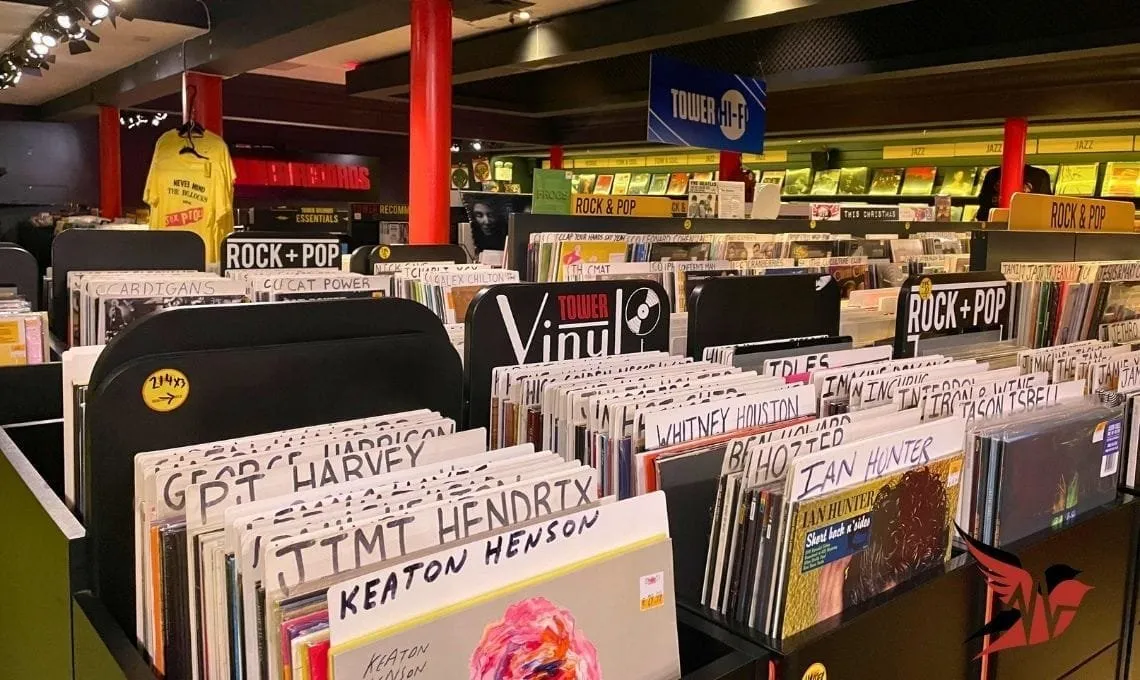 Photo: Tower Records, via travel2concert.com
Choosing which album to buy was agonizing. You couldn't preview the whole thing. Maybe you'd heard one song on the radio, or a friend had described another track. Sometimes you'd buy based purely on cover art or because you recognized the band name. It was a gamble every time, and that risk made the reward infinitely sweeter.
The ritual didn't end with purchase. You'd rush home, carefully remove the shrink wrap (saving it for some inexplicable reason), unfold the liner notes, and drop the needle on track one. Then you'd listen to the entire album, in order, while reading every credit, lyric, and thank-you note. By the end, you knew that record intimately — not just the hit single, but the deep cuts, the instrumental breaks, even the awkward experimental track the band probably regretted.
Radio DJs Were Musical Prophets
Before algorithms, America had Casey Kasem. Every Sunday, millions of kids would gather around radios for "American Top 40," waiting to hear which songs had climbed the charts. Local DJs were tastemakers who could break a band with a single spin. They'd tease new releases, create anticipation, and tell stories about the artists that made you care about more than just the music.
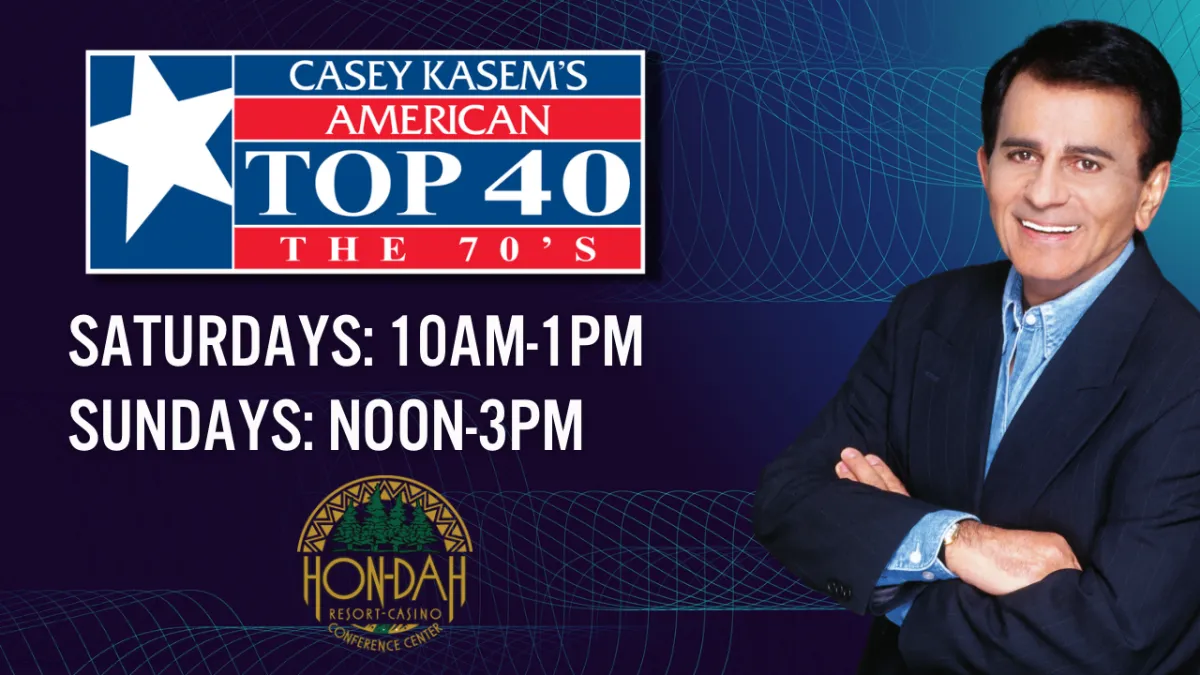 Photo: American Top 40, via oldies927az.com
 Photo: Casey Kasem, via doyouremember.com
Tuning in to discover new music required dedication. You'd scan radio stations late at night when DJs played deeper cuts. College radio stations became treasure troves for those seeking something different. Some kids would tape songs off the radio, creating mixtapes with DJ chatter and all, because that context mattered.
The scarcity was crucial. Hearing a great new song felt like discovering buried treasure because you might not hear it again for weeks. There was no rewinding, no instant replay. If you missed it, you missed it. That limitation made every musical encounter feel significant.
The Mixtape as Love Letter
Making mixtapes was an art form that required genuine curation skills. You had exactly 45 minutes per side to tell a story, create a mood, or win someone's heart. Every song choice mattered. The order mattered. The transitions between songs mattered. You'd spend hours perfecting the flow, sometimes re-recording entire sides because one song didn't fit.
Giving someone a mixtape was intimate in ways that sharing a Spotify playlist can't match. It represented hours of your time, careful thought about what they'd enjoy, and often a declaration of your own musical taste. Receiving one was equally meaningful — someone had invested serious effort in your happiness.
The physical limitations shaped creativity. You couldn't just dump 500 songs into a folder. Constraints forced careful selection. That 90-minute limit meant every track earned its place. The result was often more cohesive and emotionally resonant than today's endless playlists.
When Record Stores Were Cultural Hubs
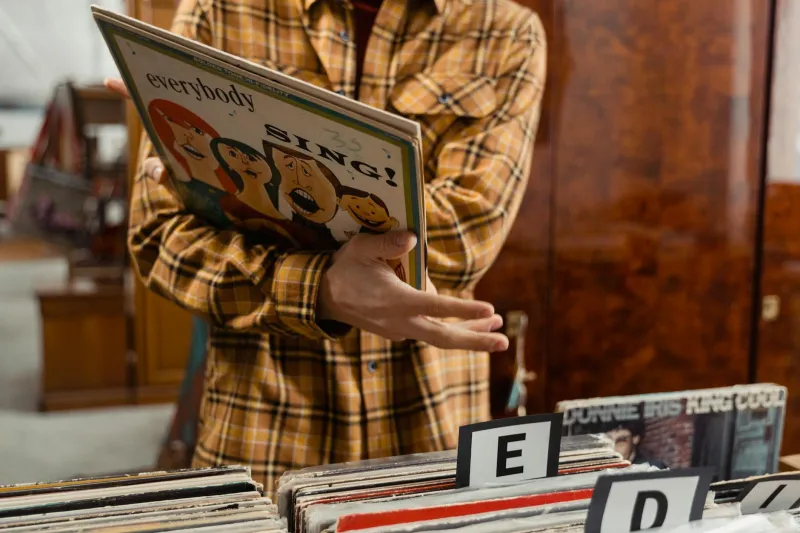
Record stores weren't just retail spaces — they were community centers for music lovers. The staff were knowledgeable enthusiasts who could recommend albums based on your taste. "If you like that, you'll love this" conversations happened naturally. Browsing was social; you'd discover music by seeing what other customers were buying or by overhearing conversations.
Those stores cultivated scenes. Punk kids congregated in certain sections. Jazz enthusiasts had their corner. Employees would post handwritten reviews of new releases, creating a pre-internet version of music criticism that felt personal and trustworthy. The physical act of flipping through records created serendipitous discoveries that algorithms struggle to replicate.
Special releases created events. Midnight album launches brought fans together. Limited pressings sold out quickly, creating genuine scarcity. Having a rare import or bootleg recording made you special in your friend group. Music felt collectible in ways that streaming files never can.
The Spotify Paradox: Everything and Nothing
Today's music landscape offers miraculous abundance. Spotify contains over 70 million songs — virtually every recording ever made. You can instantly access any song you remember, discover new artists through sophisticated algorithms, and create playlists longer than some people's entire record collections.
Yet something fundamental has been lost. When everything is available instantly, nothing feels special. Songs become disposable. Albums become playlists. Discovery becomes passive as algorithms serve up "music you might like" without requiring any effort or investment from you.
The average Spotify user listens to 40 new songs per day but remembers few of them. In the vinyl era, buying one album meant living with those 10-12 songs for weeks or months. You learned every guitar solo, every vocal inflection, every production detail. Songs became soundtrack to specific periods of your life in ways that today's musical abundance rarely achieves.
The Death of Musical Patience
Perhaps the biggest change is temporal. Previous generations had to wait for music. You'd hear about a new album months before its release. You'd save money, anticipate the purchase, and savor the experience when it finally arrived. That waiting period built emotional investment that instant gratification can't match.
Today, new music appears instantly and competes with millions of other options for attention. Songs get 30 seconds to grab listeners before they skip to something else. Albums are consumed track-by-track rather than as complete artistic statements. The patience required to appreciate complex or challenging music has largely disappeared.
We've gained access to humanity's entire musical catalog but lost the deep connection that comes from musical scarcity. Every song ever recorded is now available, but paradoxically, music has never felt more forgettable. In our rush to consume everything, we may have forgotten how to truly listen to anything.
The teenagers who once spent their allowance on a single album knew something we've forgotten: limitations create value, scarcity breeds appreciation, and sometimes having less gives you more.