In 1980, Sarah Johnson married her high school sweetheart in the same Methodist church where she'd been baptized. The reception happened in the church basement, decorated with flowers from her mother's garden and catered by the church ladies who'd known her since childhood. Total cost: $3,800, including her dress. The whole affair was planned in six weeks, and nobody thought it was rushed.
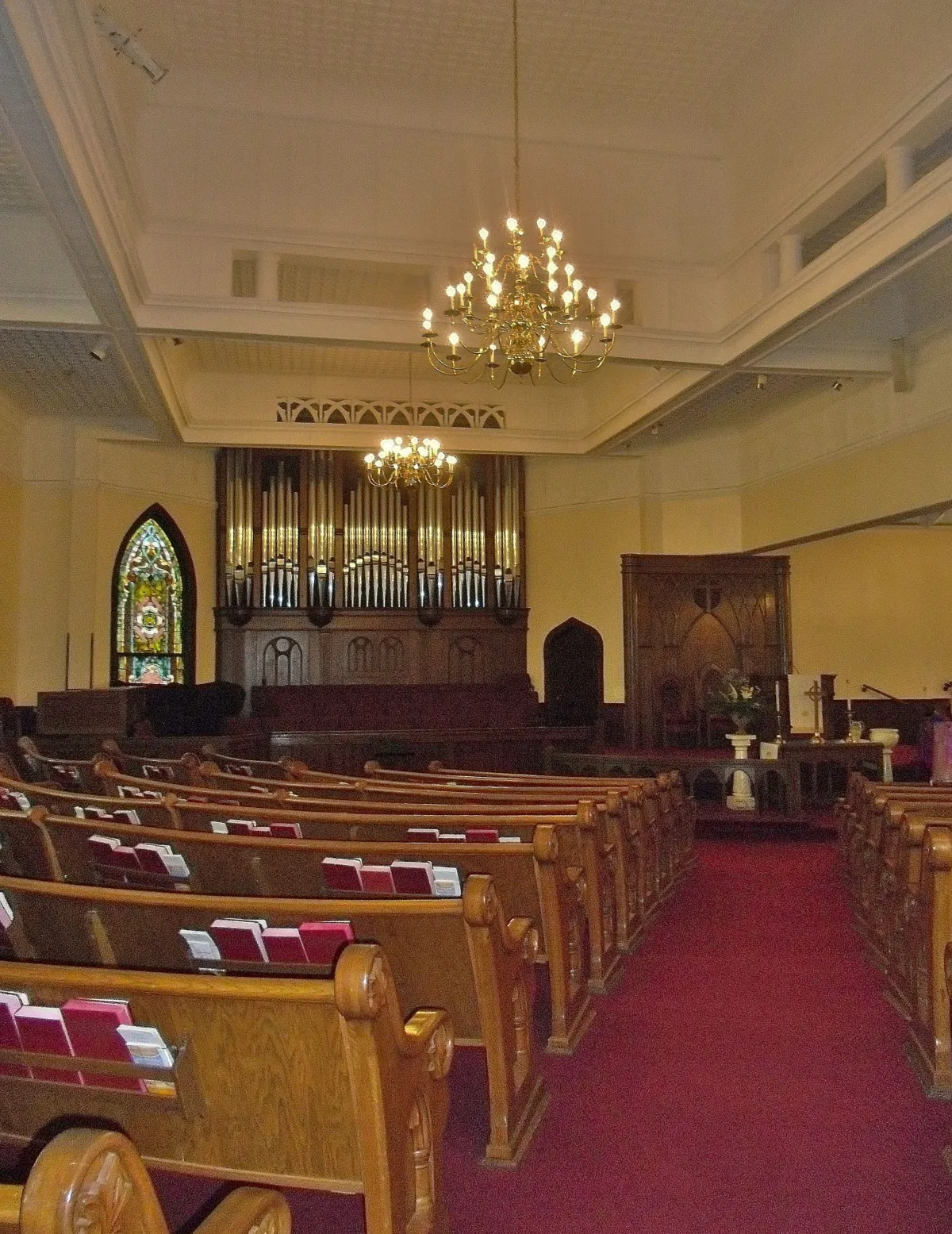 Photo: Methodist church, via i.pinimg.com
Today, that same celebration would be considered embarrassingly modest—a "budget wedding" that couples apologize for rather than celebrate.
When Weddings Were About Marriage, Not Performance
The 1970s and early 80s represented the last era of truly simple American weddings. Most ceremonies happened in familiar religious spaces, followed by receptions in church halls, VFW posts, or family backyards. The bride's dress came from a department store, the flowers from a local florist who knew the family, and the photography was handled by Uncle Bob with his new 35mm camera.
Catering meant asking church volunteers to make their specialties: Mrs. Henderson's famous potato salad, the Wilson family's barbecue, and wedding cake from the local bakery that had been making the same design for thirty years. Entertainment was a DJ with a modest sound system, or better yet, Cousin Mike with his guitar leading sing-alongs that actually brought people together.
Guest lists reflected actual relationships rather than social obligations. Invitations went to family, close friends, and longtime neighbors—people who genuinely cared about the couple's future together. The average wedding hosted 75-100 guests, and everyone knew everyone else.
The Birth of the Wedding Industrial Complex
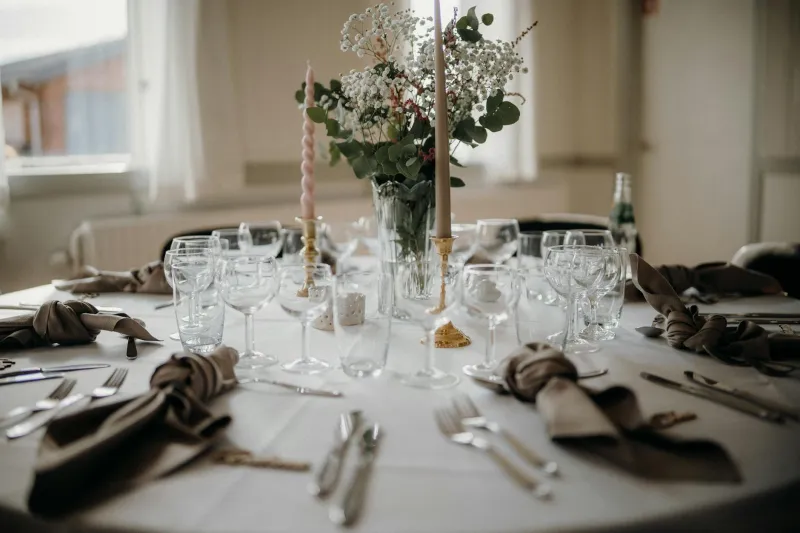
Something fundamental shifted in the 1990s. Wedding magazines proliferated, selling elaborate fantasies to brides who'd never imagined needing a "theme" for their marriage celebration. Television shows began featuring celebrity weddings with six-figure budgets, normalizing expenses that previous generations would have considered absurd.
The vendor ecosystem exploded. Suddenly, weddings required wedding planners, specialized photographers, videographers, florists trained in "bridal arrangements," and caterers who charged different rates for "wedding food" versus regular event catering. Each vendor brought additional vendors: lighting specialists, linens coordinators, transportation managers, and day-of coordinators to manage all the other coordinators.
The Instagram Effect
Social media transformed weddings from private celebrations into public performances. Pinterest boards replaced simple conversations about preferences. Instagram created pressure for "unique" elements that would photograph well and generate likes. Suddenly, every wedding needed a signature cocktail, custom hashtag, and photo opportunities designed for social sharing rather than genuine celebration.
The average engagement period stretched from six months to 16 months, not because love needed more time to ripen, but because the production timeline demanded it. Venues now book two years in advance. Photographers charge by the hour and require contracts longer than most people's car loans.
The Numbers Don't Lie
Adjusted for inflation, that $3,800 wedding from 1980 would cost about $13,000 today. Instead, the average American wedding now costs $35,000—nearly three times what inflation alone would predict. In major metropolitan areas, the figure often exceeds $50,000. For context, that's more than the median annual income in many American cities.
The breakdown reveals where the money goes: $2,500 for photography that once cost $200, $4,000 for flowers that grandmother grew for free, $8,000 for catering that church ladies provided as a gift, and $3,000 for a dress that will be worn once and preserved forever in acid-free tissue paper.
What Changed Culturally
The deeper transformation isn't financial—it's philosophical. Weddings once celebrated the joining of two families and the beginning of a shared life. Today's weddings celebrate the couple's taste, creativity, and ability to execute a flawless event. The focus shifted from the marriage to the wedding, from the relationship to the production.
Social pressure now demands that weddings reflect the couple's "personal brand." Cookie-cutter celebrations are scorned, even though the pursuit of uniqueness has created a different kind of uniformity: the same mason jars, the same vintage touches, the same choreographed spontaneity that fills wedding blogs and Instagram feeds.
The Lost Art of Simple Celebration
What disappeared wasn't just affordability—it was the understanding that a wedding's success had nothing to do with its production value. Previous generations measured wedding success by whether people had fun, whether families connected, and whether the couple seemed genuinely happy. Today's metrics involve vendor reviews, photo quality, and social media engagement.
The cruel irony is that all this wedding perfection often comes at the cost of marriage preparation. Couples spend more time choosing linens than discussing finances, more energy on seating charts than on communication skills, more money on one day than on the foundation for all the days that follow.
The church basement reception with folding chairs and homemade cake wasn't the compromise—it was the point. The celebration that focused on community rather than performance, on relationships rather than aesthetics, on beginning a marriage rather than staging an event. That wisdom seems quaint now, but maybe it was actually sophisticated in ways we're only beginning to understand.