In 1975, twelve-year-old Sarah from Ohio carefully wrote her address on a postcard and dropped it into a classroom pen pal box. Six weeks later, she received her first letter from Marie in France — the beginning of a friendship that would span forty years, three continents, and countless handwritten pages. This wasn't unusual. It was how an entire generation learned that the world was bigger than their hometown.
When the Mail Was Social Media
Before Instagram stories and WhatsApp messages, the postal service was America's social network. Teachers regularly organized pen pal exchanges through international programs. Magazines like Boys' Life and Seventeen featured pen pal sections where teenagers could find correspondents from around the globe. Organizations like the International Pen Friends matched adults seeking cross-cultural connections.
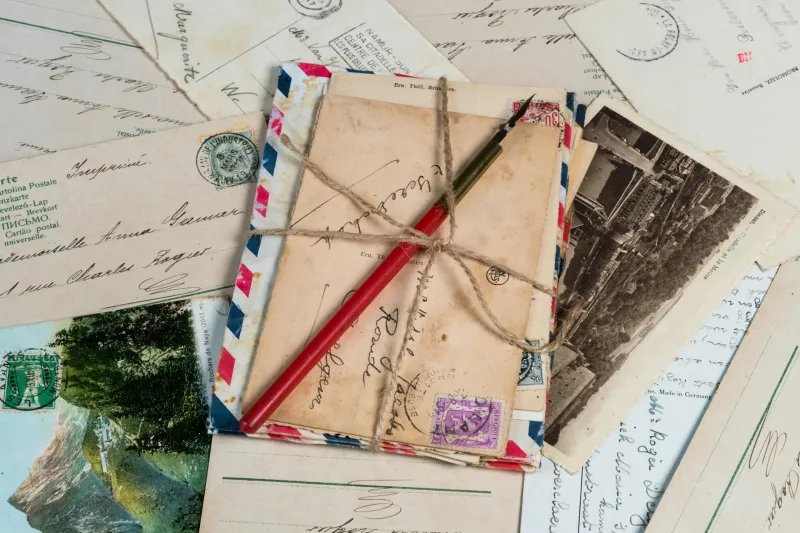
The process was deliberate and formal. You'd write your interests, age, and location on a small card. Weeks later, you might receive a carefully folded letter from someone thousands of miles away, sharing their world in neat cursive handwriting. The anticipation was part of the magic.
The Art of Patience
Modern communication has trained us to expect instant responses. But pen pal relationships operated on a different timeline entirely. A letter from Japan might take three weeks to reach Kansas. The reply would take another three weeks to return. This forced delay created something we've lost: genuine anticipation and thoughtful communication.
Pen pals didn't fire off quick thoughts. They composed letters. They shared photos of their families, pressed flowers from their gardens, and included small cultural artifacts — a subway ticket from London, a leaf from an Australian eucalyptus tree, a recipe written in grandmother's handwriting.
The Economics of Connection
A single international letter cost about 30 cents in 1970 — roughly $2 in today's money. This wasn't pocket change for most families, which made each letter precious. Kids would save their allowance to afford airmail postage, making the act of writing to a pen pal a genuine investment in friendship.
Compare this to today, where we send hundreds of free messages without thinking. The financial cost of pen pal relationships meant people wrote longer, more substantial letters. They made each word count.
What We Actually Shared
Pen pal letters were cultural exchanges in miniature. American kids would describe Thanksgiving traditions, send pictures of snow days, and explain what high school was really like. Their international friends would respond with stories about afternoon tea, descriptions of monsoon seasons, or photos from local festivals.
These weren't the curated highlights we see on social media. Pen pals shared ordinary life — what they ate for breakfast, what subjects they struggled with in school, what songs were popular on the radio. The mundane details created surprisingly intimate connections.
The Death of Distance
By the 1990s, email began replacing handwritten letters. The internet made finding pen pals easier but somehow less meaningful. Chat rooms and instant messaging offered immediate gratification, but the careful ritual of letter writing — choosing special stationery, crafting thoughts deliberately, walking to the mailbox with hope — gradually disappeared.
Today's digital connections happen at light speed across continents, but they often lack the depth that came from waiting, wondering, and working to maintain relationships through written words alone.
What We Lost When We Gained Everything
Pen pal relationships taught patience, cultural awareness, and the art of written communication. They showed young people that friendship could transcend geography, language barriers, and cultural differences. Most importantly, they proved that good things — deep connections, mutual understanding, genuine friendship — were worth waiting for.
Many pen pal friendships lasted decades. Some led to marriages, business partnerships, or lifelong travel companions. These relationships, built entirely on words and trust, often proved more durable than many face-to-face friendships.
Today, we can video chat with someone in Tokyo and see their face in real-time. We can share our breakfast with followers around the world instantly. But we've lost something irreplaceable: the quiet joy of finding an envelope with foreign stamps in the mailbox, knowing that someone, somewhere, had taken the time to sit down and write just to you.