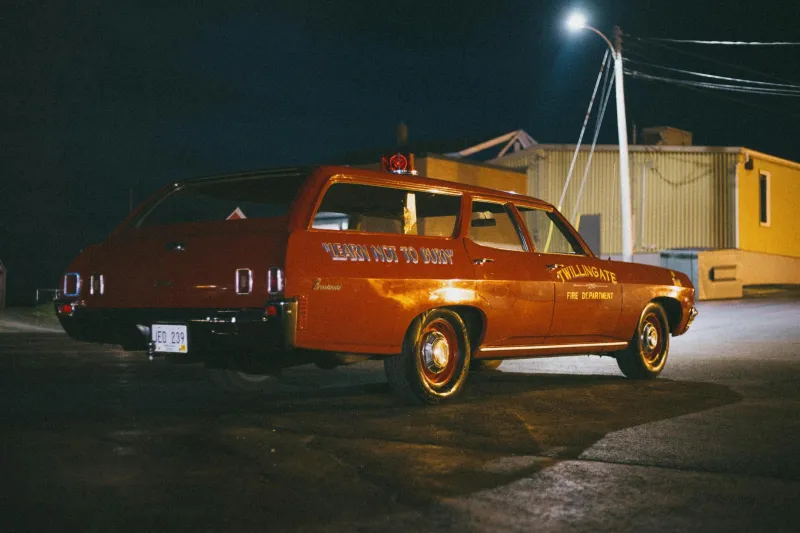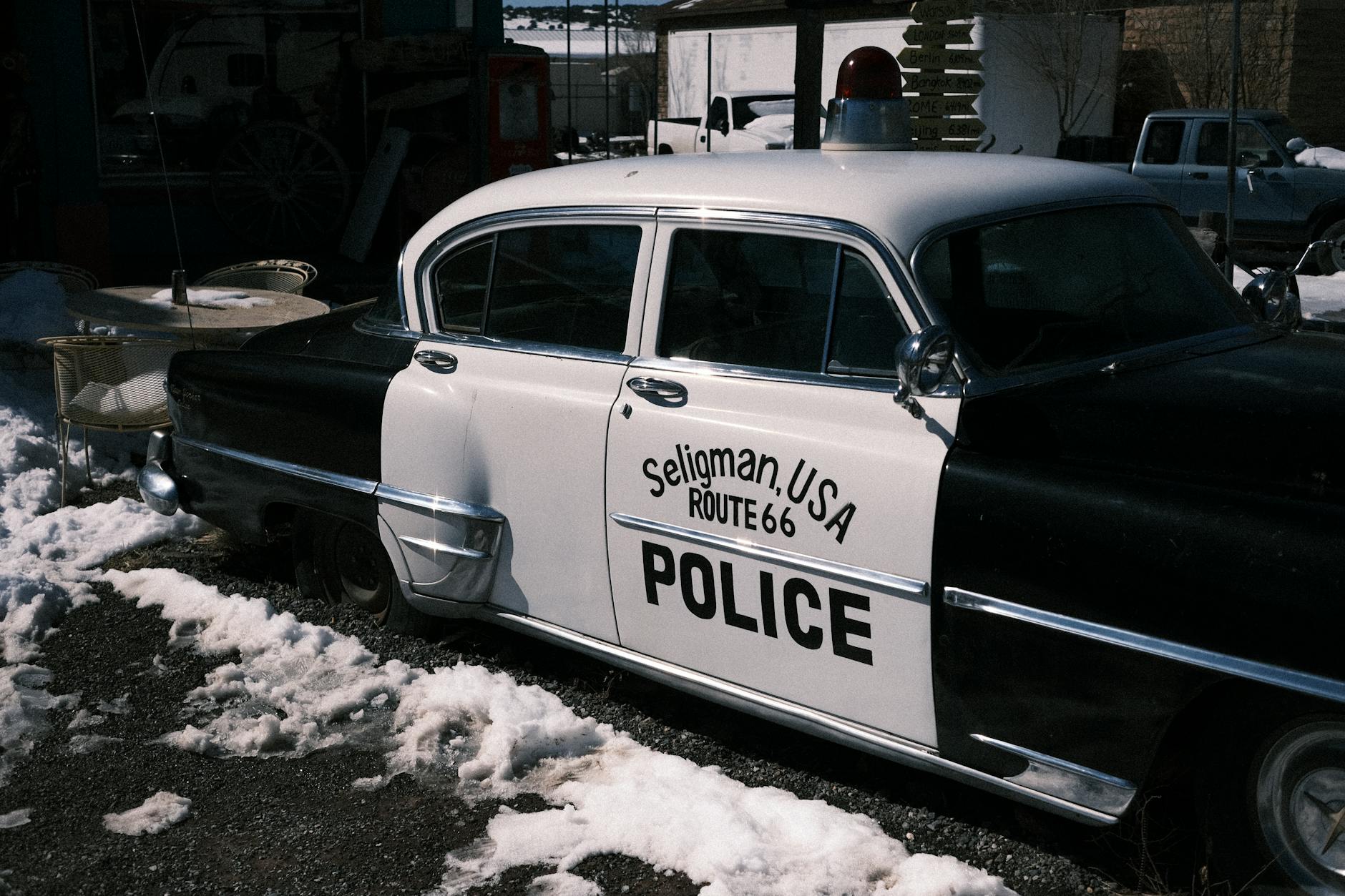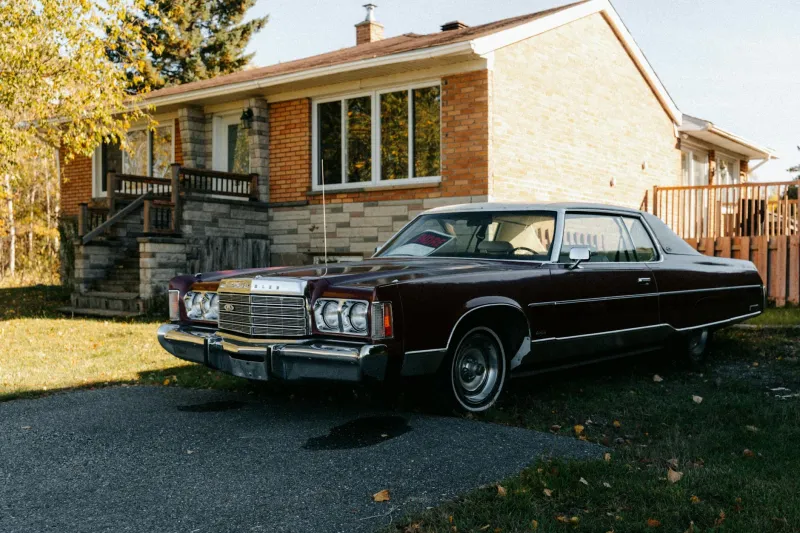
In 1975, the Thompson family of suburban Cleveland owned exactly one vehicle: a blue Ford Galaxie that served as the household's primary connection to the outside world. Dad drove it to work Monday through Friday. Mom used it for grocery shopping on Wednesdays and errands on Saturdays. The teenagers negotiated for weekend access like diplomats arranging peace treaties. Everyone else walked, rode bikes, or took the bus.
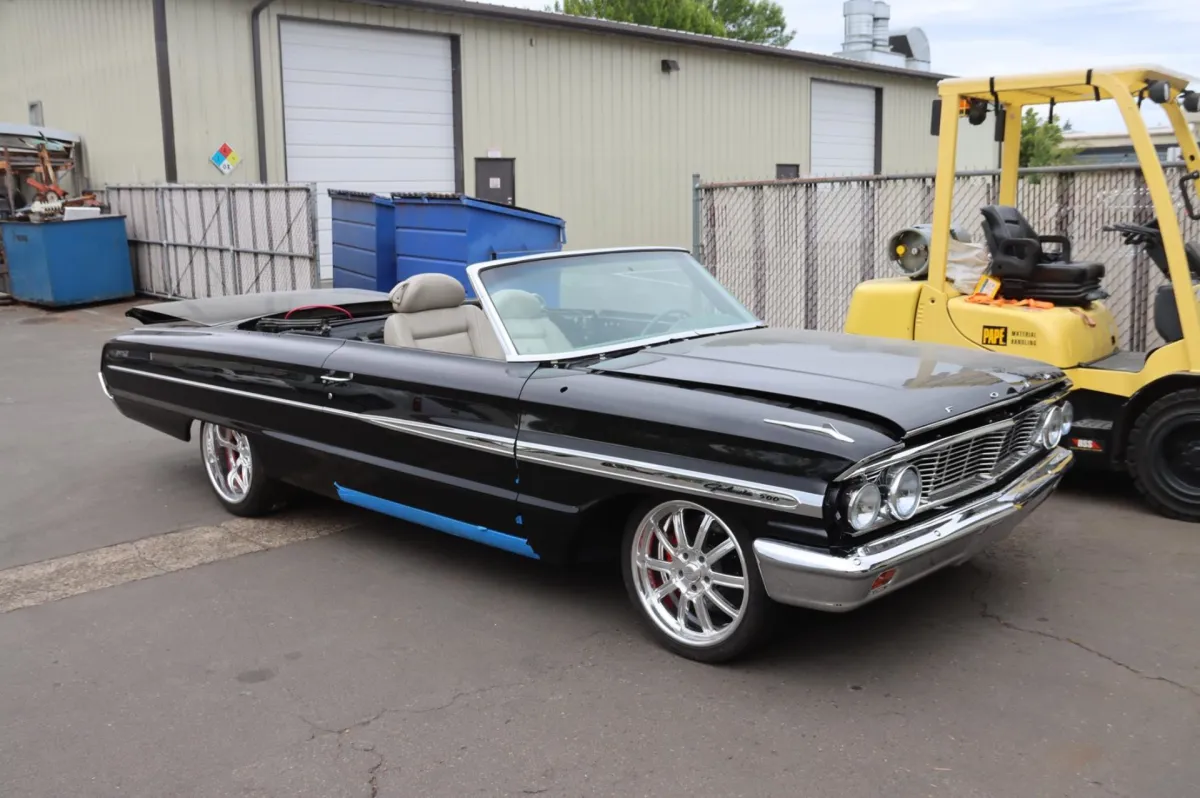 Photo: Ford Galaxie, via metalworksclassics.com
This wasn't poverty—it was normal. The one-car family represented the American standard for decades, requiring coordination, compromise, and a fundamentally different relationship with transportation than today's multi-vehicle households take for granted.
The Choreography of Shared Transportation
Life with one family car demanded intricate scheduling that would challenge today's project managers. Families developed elaborate systems of coordination: Dad carpooled with neighbors to free up the car for Mom's grocery runs. Mom planned all errands for a single day to maximize efficiency. Teenagers learned that social plans required advance notice and parental approval—not just for safety, but for vehicle availability.
The family car served multiple roles that today's specialized vehicles handle separately. The same sedan that commuted to the office also hauled lumber from the hardware store, transported the family to church on Sunday, and carried camping gear for summer vacations. Station wagons earned their popularity by adapting to these varied demands—they were the Swiss Army knives of family transportation.
Pickup and drop-off logistics required military precision. Dad might drop Mom at the grocery store, continue to his Saturday morning errands, and circle back to collect her and the groceries. Teenagers coordinated with friends' families for rides to school activities, creating informal networks of shared transportation that built community connections.
When Independence Meant Something Different
Getting a driver's license carried profound significance in the one-car era, but not because it guaranteed immediate access to transportation. Instead, it meant joining the family's complex vehicle-sharing ecosystem. New drivers earned car privileges gradually, starting with supervised errands and advancing to independent use for special occasions.
This system created natural limits on teenage mobility that shaped social development. Kids couldn't drive everywhere impulsively—transportation required planning, permission, and often negotiation with siblings. The limitation fostered different kinds of independence: walking to friends' houses, riding bikes for miles, using public transportation, and developing navigation skills that didn't depend on GPS or guaranteed car access.
Parents maintained natural oversight of teenage activities simply through transportation logistics. When kids needed rides, parents knew where they were going, when they'd return, and often who they'd be with. The one-car system provided built-in safety nets and communication requirements that today's individual vehicle ownership has eliminated.
The Economic Logic of Less
Owning one car instead of three or four delivered obvious financial advantages that extended far beyond the purchase price. Insurance covered a single vehicle. Maintenance costs were predictable and contained. Parking was simple—most homes had single-car garages or driveways that accommodated exactly what families owned.
Gas consumption reflected actual transportation needs rather than convenience preferences. Families combined errands efficiently because every trip required intentional planning. The concept of driving somewhere "just because" was rare when car access was precious and shared.
The one-car household also avoided the depreciation cascade that modern families accept as normal. Instead of trading in vehicles every few years to maintain a fleet of relatively new cars, families drove their single car until it genuinely needed replacement—often eight to ten years or more.
How America Built Car Dependency
The transition from one-car to multi-car households didn't happen overnight or by accident. Suburban development patterns made car ownership increasingly necessary as communities spread out and public transportation systems withered. The rise of two-income families meant two commutes that couldn't easily share a single vehicle.
Retail patterns shifted to accommodate car-dependent shoppers. Strip malls replaced walkable downtown districts. Big-box stores assumed customers would arrive by car and shop in large quantities rather than making frequent small purchases on foot or by bike. The infrastructure of daily life gradually reorganized around the assumption of universal car access.
Credit availability made multiple car loans feasible for middle-class families, while longer loan terms reduced monthly payments even as total costs increased. The automotive industry actively promoted the idea that each family member needed independent transportation, framing shared vehicles as inconvenient limitations rather than sensible resource management.
The Hidden Costs of Fleet Ownership
Today's typical household owns 2.28 vehicles, often exceeding the number of licensed drivers. This fleet approach solves the coordination challenges that one-car families navigated daily, but creates new problems that we've learned to accept as normal.
The financial burden is staggering: the average American household spends more on transportation than on food, healthcare, or clothing. Multiple car payments, insurance policies, maintenance schedules, and registration fees create ongoing financial obligations that consume significant portions of family budgets.
Environmental costs multiply accordingly. Manufacturing multiple vehicles per household requires enormous resource inputs, while having cars available for every possible trip eliminates the transportation efficiency that one-car families developed by necessity.
What We Lost in the Translation
The shift from shared to individual vehicle ownership changed more than transportation logistics—it transformed family dynamics and community connections. The one-car era required constant communication, negotiation, and compromise that built family coordination skills. Today's household fleet eliminates these interactions, allowing family members to operate independently without developing collaborative decision-making abilities.
Shared transportation also created natural opportunities for conversation and connection. Family errands became shared experiences rather than individual tasks. The car ride to school or the grocery store provided regular interaction time that today's separate-vehicle households must consciously create.
The one-car family wasn't a limitation to overcome—it was a system that balanced mobility with sustainability, independence with interdependence, convenience with mindfulness. As traffic congestion worsens and environmental concerns mount, that forgotten wisdom about shared transportation might be exactly what modern America needs to rediscover.