The Great American Pause
Every Sunday in 1962, something remarkable happened across America: the entire country stopped. Not gradually, not partially, but completely. Stores pulled down their metal gates. Gas stations locked their pumps. Even the phone company discouraged non-emergency calls. From coast to coast, 180 million Americans shared the same experience—a genuine day of rest.
This wasn't just about religion, though faith certainly played a role. Sunday in mid-century America represented something deeper: a collective agreement that human beings needed one day when the demands of commerce, work, and productivity took a back seat to rest, family, and reflection.
Walk through any American neighborhood on a Sunday afternoon in 1965, and you'd find families on front porches, children playing elaborate games that lasted for hours, and adults engaged in the lost art of doing nothing in particular. The rhythm of the week built toward Sunday like a wave building toward shore—six days of effort followed by one day of genuine release.
The Architecture of Rest
Sunday's power came from its universality. Because virtually everything was closed, because work was genuinely off-limits, and because social expectations supported rest over productivity, Americans experienced something that's almost impossible to imagine today: a day when you literally couldn't be busy even if you wanted to.
The "Blue Laws" that enforced Sunday closures weren't just legal requirements—they reflected a cultural consensus about the importance of shared rest. These laws, which prohibited most commercial activity on Sundays, existed in some form in nearly every state. They weren't perfect, and they certainly weren't inclusive of all religious traditions, but they created something unprecedented in human history: an entire industrialized society that stopped working at the same time.
This collective pause had profound psychological effects. When everyone stops together, rest becomes legitimate in a way that individual rest never can be. There's no guilt about being unproductive when productivity isn't an option. There's no fear of falling behind when everyone else is resting too.
The Sunday Ritual
For most American families, Sunday followed a predictable rhythm that began Saturday night. Clothes were laid out for church. Sunday dinner was planned and often partially prepared. Work clothes were put away, and a different mindset settled over the household.
Sunday morning meant church for many families, but even for those who didn't attend services, the morning had a different quality. Newspapers were thicker and designed to be savored rather than skimmed. Breakfast lasted longer. Children played quietly while adults lingered over coffee.
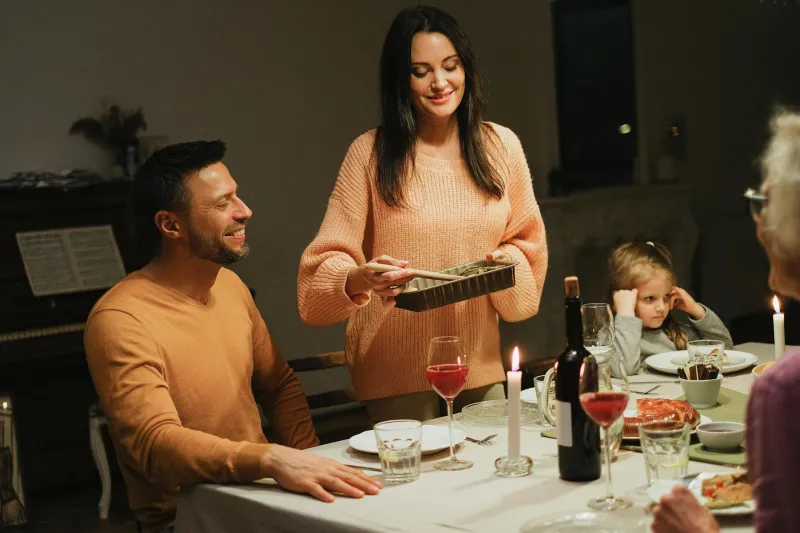
Sunday afternoon was the heart of the experience. Extended family gathered for elaborate dinners that might last for hours. Adults talked while children played. There were no stores to visit, no errands to run, no work that couldn't wait until Monday. The afternoon stretched out with no agenda beyond being together.
Sunday evening carried its own melancholy—the gentle sadness of approaching Monday mixed with the satisfaction of a day well spent. Families often took long walks, visited neighbors, or simply sat together as the week wound down.
When the Dam Broke
The erosion of Sunday began in the 1960s and accelerated through the following decades. The civil rights movement challenged the religious assumptions underlying Blue Laws. Consumer culture demanded more shopping opportunities. The service economy required weekend workers. Women entering the workforce needed weekend time for household tasks that had previously been done during weekday hours.
By the 1980s, Sunday had become just another shopping day. Malls stayed open. Grocery stores extended their hours. The idea that an entire day should be set aside for rest began to seem quaint, inefficient, even economically irresponsible.
The final blow came with the internet age. When work could follow you anywhere, when emails arrived seven days a week, and when the global economy never slept, the idea of a day when everyone stopped seemed not just outdated but impossible.
The Modern Sunday Scramble
Today's Sunday bears little resemblance to its mid-century predecessor. For many Americans, Sunday has become the day to catch up on everything that didn't get done during the week. Grocery shopping, house cleaning, work emails, children's activities—Sunday has become a day of frantic preparation for the week ahead rather than recovery from the week behind.
The statistics tell the story. According to the Bureau of Labor Statistics, Americans now spend more time on household tasks and errands on Sunday than on any other day of the week. Nearly 40% of Americans report doing work-related activities on Sundays. The day that was once dedicated to rest has become the busiest day of the week for many families.
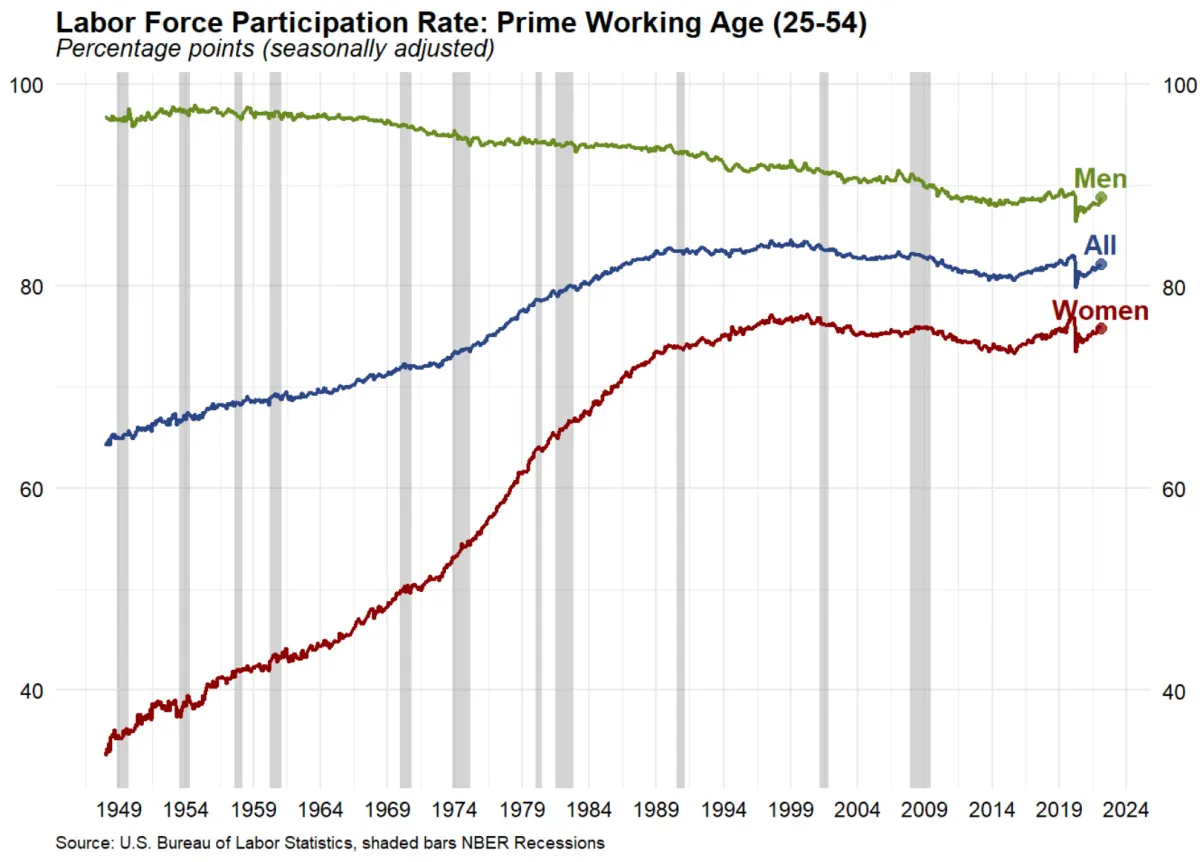 Photo: Bureau of Labor Statistics, via www.cfholbert.com
Even our attempts at Sunday relaxation often feel more like scheduled activities than genuine rest. "Sunday Funday" has become a cultural phenomenon, but it typically involves planned activities, social media documentation, and the kind of effortful enjoyment that would have puzzled earlier generations who understood rest as the absence of effort, not the pursuit of fun.
The Physiology of Collective Rest
What we've lost isn't just cultural—it's biological. Research in circadian biology shows that humans are wired for weekly rhythms just as much as daily ones. The seven-day cycle appears in everything from hormone production to immune function, suggesting that regular rest periods aren't just culturally important but physiologically necessary.
More importantly, the psychological benefits of rest multiply when they're shared. Social psychologists have found that collective experiences of rest—when entire communities pause together—provide deeper restoration than individual rest periods. When everyone stops, the social pressure that normally makes rest feel guilty or anxious disappears.
This explains why vacations, despite being longer than Sundays, often feel less restorative. Even when we're not working, we know everyone else is, creating a subtle but persistent anxiety about falling behind. The old Sunday eliminated that anxiety by making it impossible for anyone to get ahead.
What We Traded Away
The collapse of Sunday as a day of rest reflects broader changes in American life. We've traded the security of shared rhythms for the freedom of individual choice. We've exchanged the limitations of Blue Laws for the convenience of 24/7 commerce. We've given up the inefficiency of collective rest for the productivity of continuous work.
These aren't necessarily bad trades. Modern Americans have more choices, more opportunities, and more control over their time than previous generations could have imagined. But we've also lost something that's harder to quantify: the peace that comes from knowing that everyone else is resting too.
The old Sunday wasn't perfect. It excluded many Americans, reinforced particular religious traditions, and could feel oppressive to those who didn't share mainstream values. But it also provided something we haven't been able to replace: a guaranteed day when the entire culture supported rest over productivity.
The Impossible Return
We can't go back to the Sunday of 1962, nor should we necessarily want to. The social and economic changes that eroded Sunday rest also brought greater freedom, more opportunities, and more inclusive communities. But we might learn something from what we've lost.
The power of the old Sunday wasn't just that people rested—it was that they rested together. In our individualized approach to work-life balance, we've forgotten that rest, like work, can be a collective experience that's more powerful when shared.
Today's Sunday reflects modern America perfectly: full of choices but lacking rhythm, rich in opportunities but poor in rest, connected to everything but grounded in nothing. We've gained the freedom to work seven days a week, but we've lost the wisdom to know when to stop.
The sacred Sunday is gone, replaced by the scroll session Sunday where rest means consuming content rather than experiencing silence. We've kept the form of a day off but lost the substance of genuine rest. Whether that trade was worth making depends on whether you think a society can thrive without ever truly stopping—and whether you believe that individual freedom can fully replace the peace of collective pause.