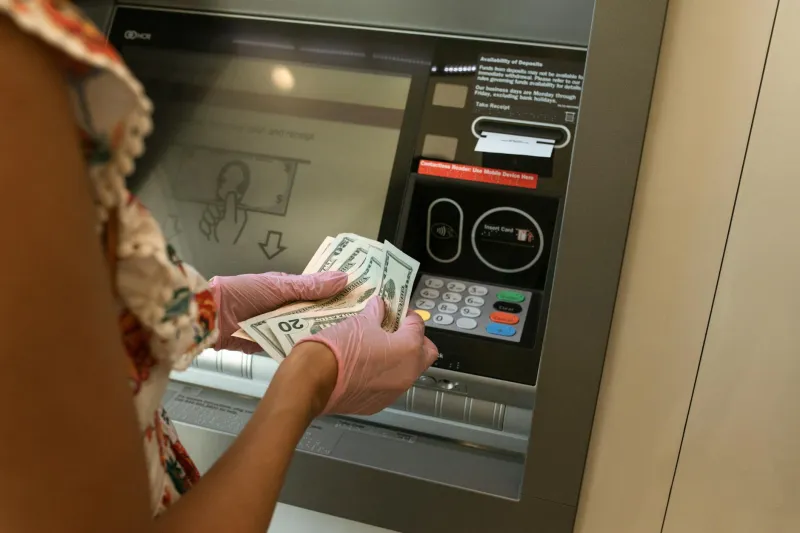
In 1962, when the Hendersons decided they wanted a television for their living room, it became a family project that consumed the better part of a year. Mrs. Henderson clipped coupons more aggressively. Mr. Henderson picked up extra shifts at the factory. The kids contributed quarters from their paper routes. Every Friday evening, they gathered around the kitchen table to count the bills and coins accumulating in their "TV jar," tracking their progress toward the $400 needed for a new Zenith Space Command.
This wasn't poverty—this was how middle-class American families approached major purchases. You saved first, bought second, and celebrated the achievement like a genuine milestone.
The Ritual of Accumulation
For most of the 20th century, American households operated on what economists call "cash-based consumption." Families saved for months or years to buy refrigerators, washing machines, or automobiles. The process wasn't just financial—it was psychological preparation for ownership. By the time you finally walked into Sears with your carefully accumulated cash, you'd researched every model, compared every feature, and imagined exactly where that new appliance would sit in your home.
This savings-first mentality shaped entire family dynamics. Children learned delayed gratification by watching their parents sacrifice small pleasures for larger goals. The monthly ritual of counting saved money taught practical lessons about compound interest, budgeting, and the real cost of major purchases. When the family finally brought home that new television or refrigerator, it felt like a genuine achievement because everyone had contributed to making it happen.
Consider how Americans bought cars in 1955. The typical family saved for two to three years before purchasing a new vehicle. They'd visit dealerships to look but rarely to buy, treating car shopping as research rather than transaction. When they finally made their purchase, they often paid cash or made a substantial down payment that minimized their monthly obligations. The car represented not just transportation, but proof of the family's financial discipline and planning ability.
The Credit Revolution Changes Everything
The transformation began subtly in the 1960s with the expansion of consumer credit, but accelerated dramatically with the rise of credit cards in the 1970s and 1980s. Suddenly, American families could acquire major purchases immediately and worry about payment later. What had been a months-long process of accumulation became an afternoon decision followed by years of monthly payments.
This shift fundamentally altered the psychology of consumption. Instead of asking "Can we afford this?" families began asking "Can we afford the monthly payment?" The emotional weight of major purchases diminished when the financial pain was spread across years rather than concentrated in a single moment of cash payment.
By the 1990s, the savings-first mentality had become almost quaint. Furniture stores began advertising "no money down, no payments for six months." Electronics retailers offered instant financing for purchases as small as $200. The idea of saving up for a television—something that cost less than many families spent on restaurants in a month—seemed unnecessarily restrictive.
The Psychology of Instant Gratification
Today's buy-now-pay-later culture would seem almost magical to families who saved for months to buy a single appliance. Amazon's one-click purchasing, Apple's Face ID payments, and countless "buy now, pay later" services have compressed the time between wanting something and owning it to mere seconds. The psychological friction that once forced Americans to consider whether they truly needed a purchase has been almost entirely eliminated.
This transformation coincided with fundamental changes in how Americans think about money itself. Previous generations viewed debt as something to be avoided except for genuinely necessary purchases like homes or cars. Today's consumers often carry debt for restaurant meals, clothing, and entertainment—purchases that previous generations would have considered inappropriate for financing.
The shift also reflects changing attitudes toward planning and patience. Families who saved for major purchases developed what psychologists call "future orientation"—the ability to delay immediate gratification for long-term benefits. This mindset influenced decisions far beyond shopping, affecting everything from career planning to retirement savings.
What We Gained in Convenience
The death of the savings-first mentality brought undeniable benefits. Families no longer had to delay purchasing necessities while slowly accumulating cash. Young adults could furnish apartments and start careers without waiting years to afford basic appliances. Economic emergencies became more manageable when credit provided immediate access to needed resources.
The efficiency gains were substantial. Instead of spending months researching a single television purchase, families could buy appliances quickly and focus their time and energy on other priorities. The psychological burden of constantly calculating and recalculating savings goals diminished, potentially reducing financial stress for many households.
Credit also democratized access to goods that might otherwise remain out of reach for lower-income families. A washing machine that required six months of saving could be acquired immediately and paid for over time, providing immediate quality-of-life improvements.
The Hidden Costs of Instant Everything
But the convenience came with costs that weren't immediately apparent. American household debt levels exploded as families acquired goods faster than their incomes could support. The discipline required to save for major purchases—discipline that built broader financial skills—largely disappeared from American family life.
Perhaps more significantly, the celebration and satisfaction associated with major purchases diminished when acquisition became routine rather than achievement. The family television that once represented months of sacrifice and planning became just another monthly payment, indistinguishable from dozens of other financial obligations.
The shift also contributed to what economists call "lifestyle inflation"—the tendency for spending to expand automatically with income rather than being consciously allocated toward specific goals. Families who once saved deliberately for each major purchase found themselves accumulating possessions without clear intention or appreciation.
The Forgotten Wisdom of Waiting
The savings-first generation understood something modern Americans have largely forgotten: the relationship between effort and satisfaction. Items acquired through months of planning and sacrifice carried emotional weight that instantly financed purchases never could. The television your family saved for became a source of pride; the one you bought with a credit card became just another appliance.
This wasn't just sentiment—it was practical wisdom. Families who saved before buying developed better understanding of their true financial capacity, made more thoughtful purchasing decisions, and maintained lower debt levels throughout their lives. The patience required to save for major purchases built character traits that served them well in other areas of life.
The death of saving up represents more than just a shift in purchasing habits—it marked the end of an America where delayed gratification was a widely shared cultural value, replaced by a society where instant access became the expected standard for everything from entertainment to major appliances.