When Getting Sick Meant Planning Your Funeral: America's Most Feared Diseases Are Now Routine Doctor Visits
The Waiting Rooms of Yesterday Were Places of Terror
In 1920, if your doctor called you back into his office with that particular look on his face, you knew. The conversation that followed often involved discussions about "getting your affairs in order" rather than treatment plans. Tuberculosis killed one in seven Americans. Polio struck without warning, leaving children paralyzed or dead within days. A cancer diagnosis was essentially a death sentence delivered with whatever compassion the physician could muster.
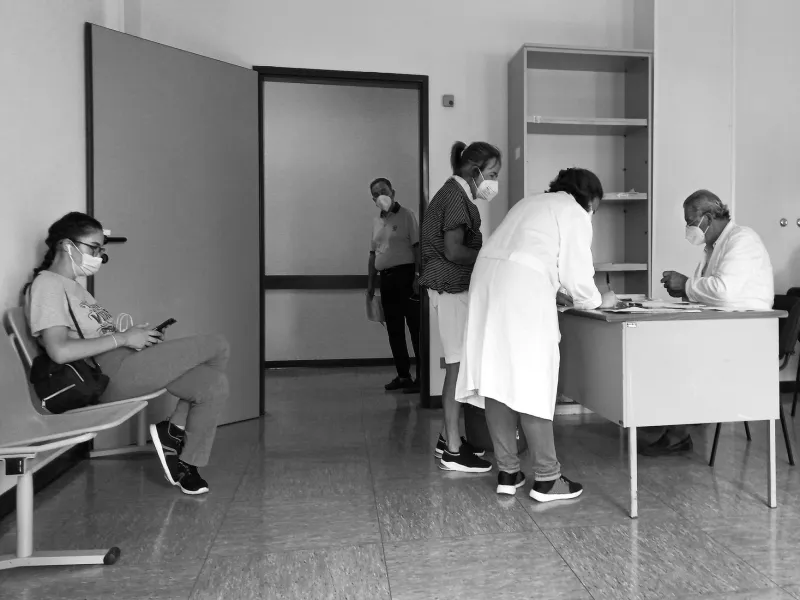
The waiting room itself was a different place entirely. Families sat in hushed silence, knowing that many of the illnesses being diagnosed behind those doors had no cure, no treatment, no hope. The very act of seeing a doctor often meant you were already quite sick – preventive care was a luxury few could afford, and many conditions had progressed far beyond help by the time symptoms appeared.
When America's Children Lived Under the Shadow of Death
Every summer brought a fresh wave of terror for American parents. Polio season meant empty swimming pools, canceled gatherings, and children kept indoors while families prayed their kids wouldn't be among the unlucky ones. In 1952 alone, polio infected 58,000 Americans, killing 3,000 and paralyzing thousands more.
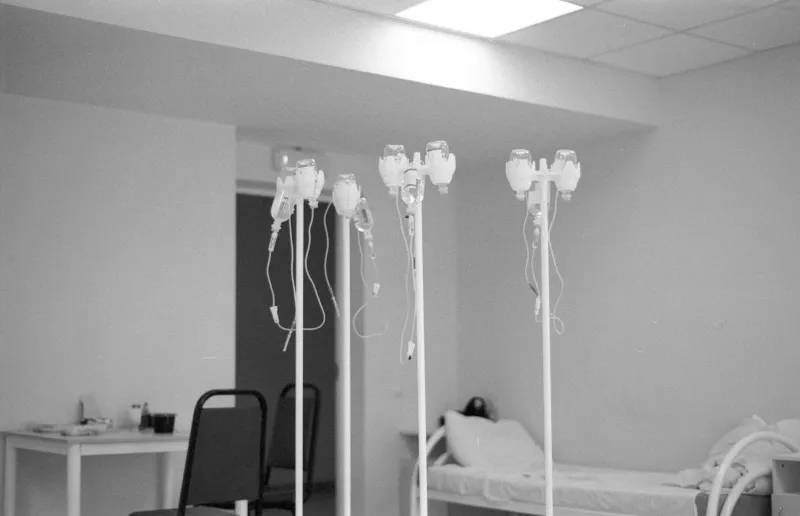
Parents developed elaborate rituals to protect their children. Some moved their families out of cities during peak season. Others avoided crowds entirely. The iron lung became a symbol of medical helplessness – massive machines that kept paralyzed children breathing, sometimes for decades. Hospital wards full of these metal cylinders represented the best medicine could offer: keeping patients alive, but not truly healing them.
Tuberculosis was equally merciless but slower in its destruction. Entire families would be torn apart when one member was diagnosed. The afflicted were sent to sanatoriums – often for years – where they were isolated from society in the slim hope that rest and fresh air might slow the disease's progression. These weren't hospitals in any modern sense; they were places where people went to die more comfortably.
The Transformation That Changed Everything
The revolution began quietly in laboratories and research facilities across America. Penicillin, discovered in 1928 but not mass-produced until World War II, suddenly made previously fatal infections treatable. The polio vaccine, developed by Jonas Salk in 1955, turned a childhood nightmare into a preventable disease. Cancer treatment evolved from hopeless palliation to targeted therapies that could actually cure certain forms of the disease.
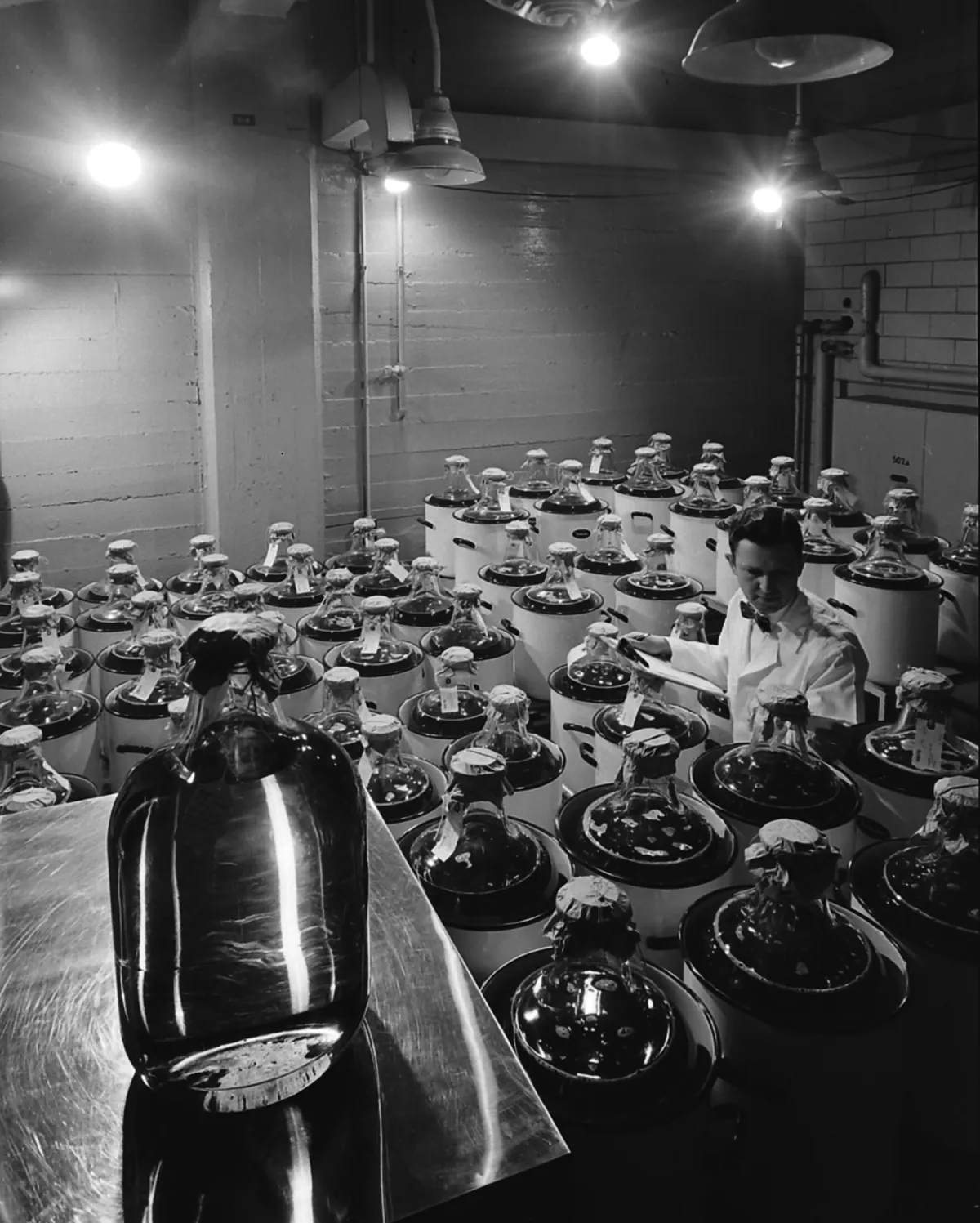 Photo: Jonas Salk, via api.time.com
By the 1960s, tuberculosis sanatoriums were closing their doors – not because of budget cuts, but because they were no longer needed. Antibiotics had transformed TB from a death sentence into a curable condition. The iron lungs were wheeled into storage as polio cases dropped from tens of thousands annually to single digits.
Today's Medical Miracles Are Yesterday's Impossible Dreams
Walk into any American doctor's office today, and the contrast is staggering. That appointment you're dreading about a suspicious mole? Skin cancer caught early has a cure rate exceeding 95%. The tuberculosis that once filled sanatoriums is now treated with a simple course of antibiotics – if you can even find a doctor who's treated a case recently.
Polio has been eliminated from the Western Hemisphere. The disease that once paralyzed Franklin D. Roosevelt and terrorized every American parent now exists only in two countries worldwide. Children receive the vaccine as routinely as they get their school physicals, with parents barely giving it a second thought.
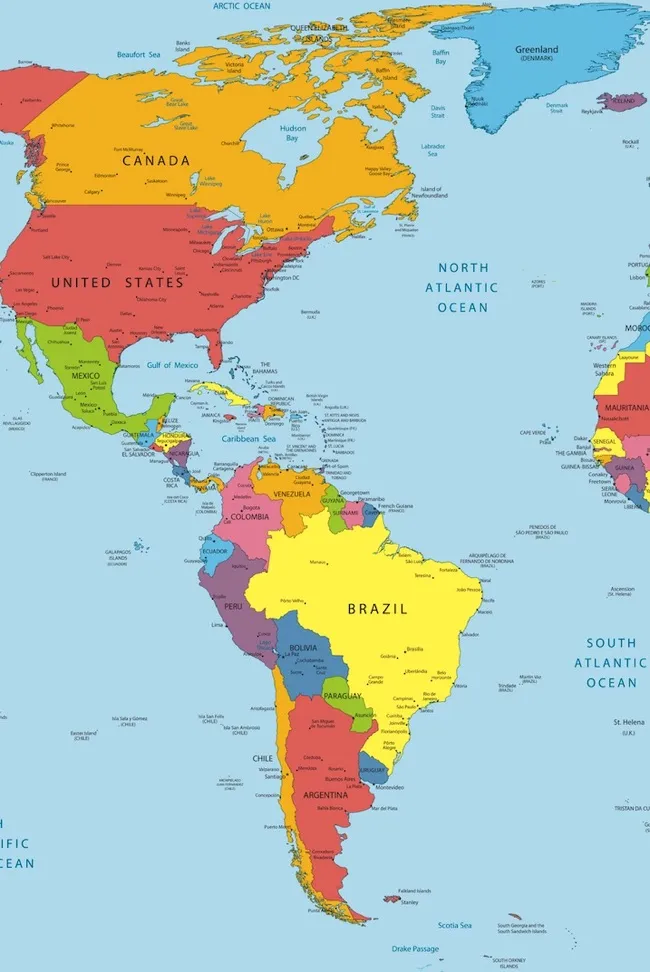 Photo: Western Hemisphere, via www.u4tm.com
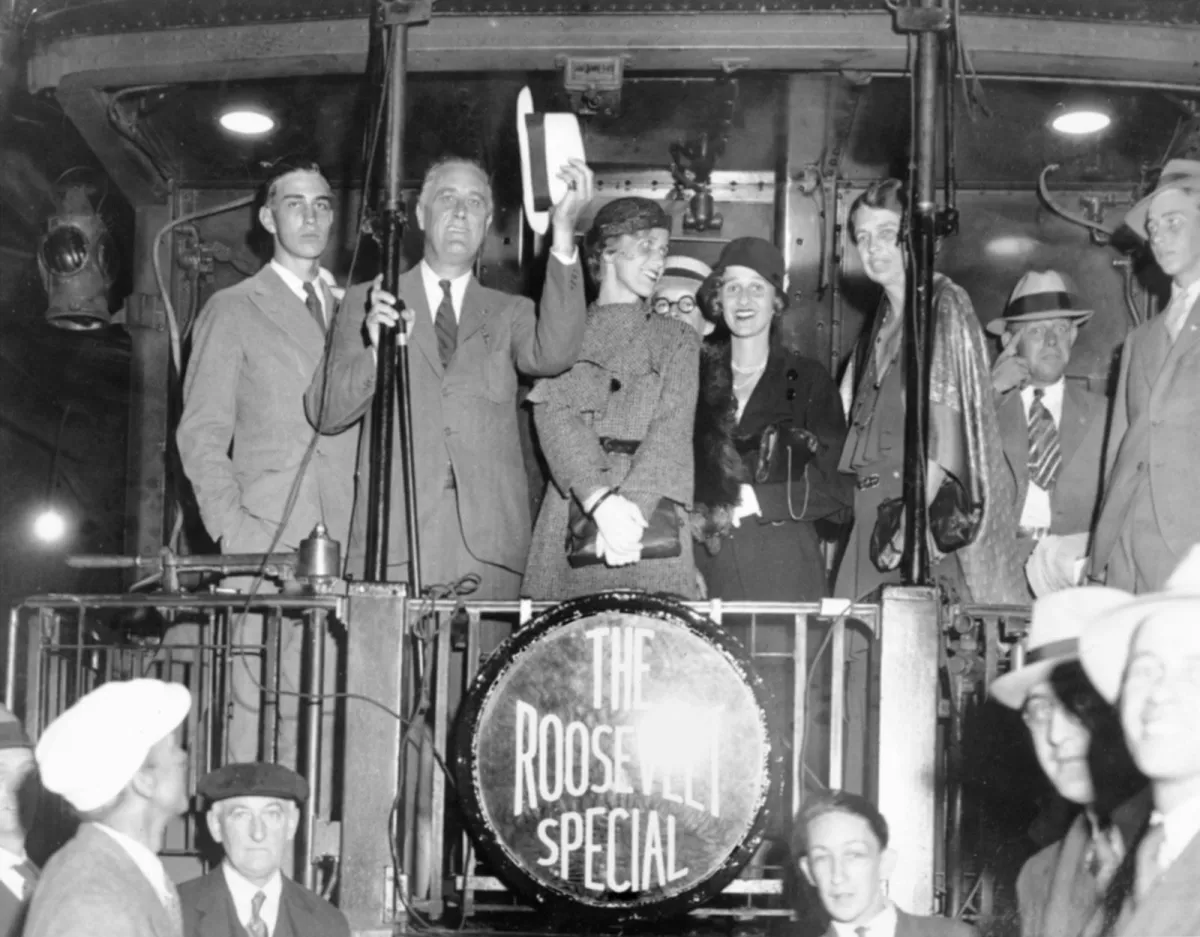 Photo: Franklin D. Roosevelt, via cdn.britannica.com
Even cancer, the word that once couldn't be spoken aloud in polite company, has been transformed. While still serious, many cancers are now managed as chronic conditions rather than death sentences. Childhood leukemia, which killed 90% of its victims in 1960, now has survival rates exceeding 85%.
The Diseases We've Forgotten How to Fear
Most Americans under 50 have never seen someone with polio. Tuberculosis is so rare that many medical students complete their training without encountering a single case. The diseases that shaped our grandparents' worldview – that influenced where they lived, how they raised their children, and how they planned their futures – have become medical curiosities.
This transformation happened so gradually, so completely, that we've lost the ability to comprehend how different life was when these diseases ruled American households. The casual way we now discuss medical treatments that would have been considered miraculous just decades ago reflects how thoroughly we've integrated these victories into our everyday reality.
What We Lost in the Victory
The conquest of these diseases represents an unqualified triumph of human ingenuity and determination. Yet something was lost in the process – a certain appreciation for the fragility of life and the preciousness of health. When getting sick no longer means planning your funeral, when childhood diseases no longer stalk playgrounds, when a cough doesn't signal potential doom, we perhaps take for granted the medical miracles that previous generations could only dream of.
The waiting rooms of today are filled with different anxieties – chronic conditions, lifestyle diseases, the complications of living longer than any generation in human history. But they're no longer places where families gather to say goodbye. That transformation, accomplished in just a few decades, represents one of the most profound changes in the American experience that most of us never fully appreciate.