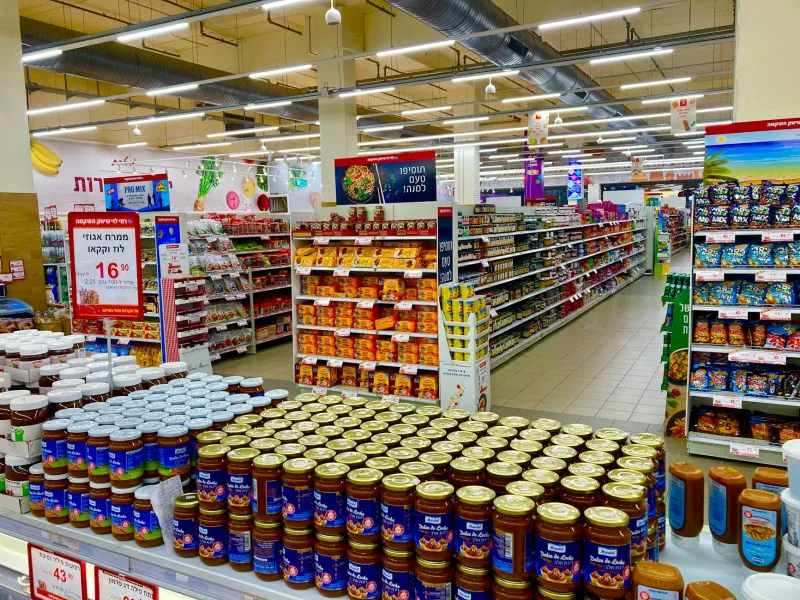
Picture this: You walk into a grocery store in 1975, armed with a handwritten list and maybe $20 in cash. The produce section offers basic staples—iceberg lettuce, regular tomatoes, and a handful of apple varieties. The cereal aisle contains perhaps two dozen options, mostly from Kellogg's and General Mills. You grab what you need, chat with the butcher about tonight's dinner, and you're out the door in 30 minutes.
Fast-forward to today, and that same shopping trip has become an expedition through a maze of 40,000+ products, each screaming for your attention with bold packaging and health claims that require a nutrition degree to decode.
When Grocery Stores Actually Made Sense
The average American supermarket in 1975 carried roughly 9,000 different products. Compare that to today's mega-stores, where the average Walmart Supercenter stocks over 142,000 different items, with traditional grocery stores averaging 40,000 products.
Back then, shopping was refreshingly straightforward. You bought ingredients, not "food products." The dairy section offered milk (whole, 2%, or skim), butter, and a selection of basic cheeses. Today's dairy aisle resembles a laboratory experiment—oat milk, almond milk, pea protein milk, lactose-free options, grass-fed this, organic that, and cheese varieties from every corner of the globe.
The bread aisle tells a similar story. In 1975, you'd find white bread, wheat bread, and maybe a few specialty loaves. Today's bread section requires a GPS system to navigate, with gluten-free, keto-friendly, ancient grain, sprouted, and artisanal options stretching across multiple aisles.
The Explosion That Changed Everything
Several factors triggered this product explosion. Deregulation in the 1980s allowed food manufacturers to innovate rapidly. Computer technology enabled better inventory tracking, making it feasible to stock thousands more items. Most importantly, Americans developed an appetite for variety and convenience that manufacturers were eager to feed.
The breakfast cereal category perfectly illustrates this transformation. In 1975, Kellogg's offered about 15 different cereals. Today, a typical grocery store stocks over 300 cereal options. We've gone from choosing between Corn Flakes and Rice Krispies to navigating protein-enriched, probiotic-infused, superfood-packed breakfast options that promise everything from better digestion to improved cognitive function.
When Your Butcher Actually Knew Your Name
Perhaps the most dramatic change wasn't the number of products, but how we interacted with food. In 1975, many stores still featured full-service meat counters where actual butchers would cut your steaks to order, grind fresh hamburger, and offer cooking advice. The deli counter was staffed by people who sliced meats and cheeses fresh, often weighing them on analog scales.
This personal service model has largely vanished, replaced by pre-packaged everything. Today's "butcher" is often a part-time employee with minimal training, and the meat comes pre-cut and wrapped in plastic, shipped from facilities hundreds of miles away.
The Paradox of Infinite Choice
Here's where things get weird: despite having access to more food variety than any generation in human history, Americans increasingly report feeling overwhelmed by grocery shopping. Psychologists call this "choice overload"—when too many options actually decrease satisfaction and increase anxiety.
In 1975, buying pasta sauce meant choosing between Ragu and Hunt's. Today's pasta sauce aisle features organic, sugar-free, low-sodium, roasted garlic, mushroom-infused, and "restaurant-style" varieties from dozens of brands. Yet studies show that people often leave the store feeling less satisfied with their purchases than shoppers did 50 years ago.
The Real Cost of Progress
Adjusting for inflation, many basic groceries cost relatively less today than in 1975. A gallon of milk that cost $1.57 in 1975 (about $8.50 in today's money) now averages $3.50 nationwide. However, the weekly grocery budget tells a different story when you factor in the premium products that have become standard.
In 1975, "organic" wasn't a marketing term—it was just how food was grown. Today, choosing organic can double or triple your grocery bill. The explosion of premium and specialty products has created a two-tiered food system where basic nutrition is affordable, but the "good stuff" requires significant disposable income.
What We Lost in Translation
The transformation of American grocery shopping reflects broader cultural shifts. We traded simplicity for choice, community for convenience, and expertise for self-service. The friendly neighborhood grocer who knew your family's preferences has been replaced by self-checkout kiosks and algorithms that track your purchasing patterns.
This isn't necessarily progress or regress—it's simply change. Today's grocery stores offer unprecedented variety, convenience, and global flavors that would have amazed shoppers in 1975. You can buy fresh sushi, authentic tacos, and exotic fruits year-round.
But sometimes, staring into a modern grocery store's fluorescent-lit vastness, it's worth remembering when shopping for food was just that—shopping for food, not navigating a consumer psychology experiment designed to maximize revenue per square foot.
The next time you spend 20 minutes choosing between 47 different types of yogurt, remember: your parents managed to stay fed and happy with about a dozen options. Maybe they were onto something.