The $1,500 Refrigerator Habit: What Happened When America Stopped Planning Dinner
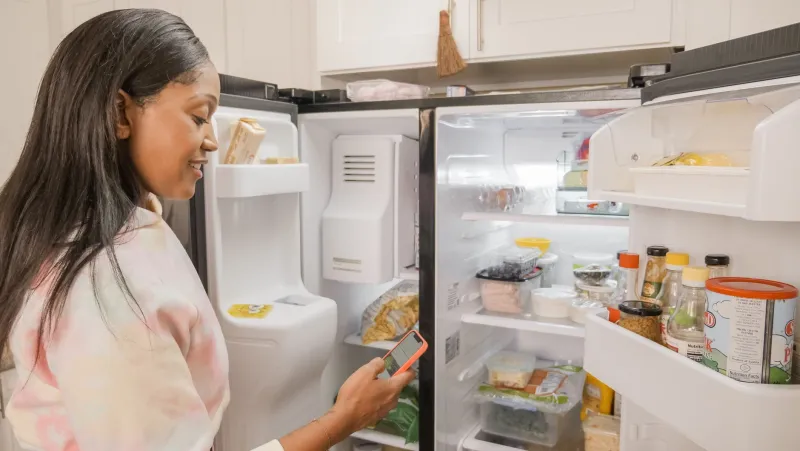
Open the average American refrigerator today and you'll find a paradox: it's full, and yet there's nothing to eat. Somewhere in there are three half-used containers of something, a bag of spinach turning to liquid, and leftovers from a takeout order two nights ago. Meanwhile, the average household tosses out roughly a third of the food it buys — a quiet leak in the family budget that can easily run $1,500 a year.
A generation or two ago, that refrigerator would have looked almost empty by comparison. And that emptiness was the point.
The Kitchen That Ran on a Plan
For most of the twentieth century, grocery shopping was a weekly — sometimes biweekly — expedition. Mom or Dad would sit down with the store's circular, clip coupons, plan seven dinners around what was on sale, and write a list that actually matched the meals.
This wasn't a lifestyle aesthetic. It was household economics. With one income supporting many families, food was a major budget line, and wasting it simply wasn't an option. A Sunday roast became Monday's hash, Tuesday's soup, and eventually a bone broth. Bread ends became dressing. Overripe bananas became bread of their own.
Many families also kept a garden plot — a victory garden habit that lingered long after the wars ended. Tomatoes were canned in August to sauce spaghetti in February. Freezing, pickling, and preserving weren't hobbies; they were standard operating procedures that stretched a dollar across seasons.
The fridge itself reflected this discipline. A nearly empty refrigerator meant the plan was working: food was bought with intent, used on schedule, and replaced only when the list called for it.
What Changed: The Rise of the Safety Net
Today's kitchen operates on a completely different assumption — that food is always one tap away. Grocery delivery, meal kits, and restaurant apps have created a system where no single purchase needs to matter. Forgot the milk? Someone will bring it in forty minutes.
Convenience like this has real, undeniable value. It's a lifeline for parents working multiple jobs, and it's absurd to romanticize a era when dinner required two hours of labor every night.
But the safety net changed our behavior in ways the receipt makes plain. When food is abundant and cheap at the moment of purchase, we buy more than we plan, plan less than we buy, and discard the difference. Portion expectations have ballooned alongside plate sizes. And the skills that made the old system work — knowing how to build a meal from what's on hand, how to revive wilting vegetables, how to read a fridge like an inventory — have atrophied for many households.
The result is a strange financial arrangement: we pay a premium for convenience, then pay again by throwing away food the convenience model encouraged us to overbuy.
The Resilience Dividend
Here's what the planned kitchen of the past actually bought, beyond savings: buffer. A pantry with rice, beans, canned tomatoes, and flour meant a snowstorm, a job loss, or a tight month didn't turn into a crisis. Households with preservation skills and cooking flexibility could absorb shocks.
Recent supply-chain wobbles gave many Americans a fresh taste of why that mattered. The households that weathered empty shelves best were often the ones who, intentionally or not, ran their kitchens the old way — stocked, planned, and resourceful.
You don't need to return to canning tomatoes in August to reclaim some of that. The core habits are small: shop with a list built from actual meals, designate a leftovers night, learn four or five flexible recipes that absorb whatever's in the crisper drawer, and treat the freezer as a savings account rather than a graveyard of forgotten bread.
The fridge of the past held less food but wasted almost none of it. Ours holds more and loses a third. Closing that gap might be the easiest money a household can find — no coupon required.