Your Family's Medical MVP: When One Doctor Handled Everything From Birth to Burial
Your Family's Medical MVP: When One Doctor Handled Everything From Birth to Burial
Dr. Morrison delivered three generations of the Henderson family. He set Tommy's broken arm in 1962, helped Martha through postpartum depression in 1968, and diagnosed Grandpa's diabetes in 1975. When the Hendersons couldn't afford his bill after a rough harvest, he accepted two bushels of corn and a promise to pay when times got better.
That America is gone. Today, the Henderson family would need a pediatric orthopedist for Tommy's arm, a psychiatrist for Martha's depression, and an endocrinologist for Grandpa's diabetes — assuming they could navigate the insurance networks to find doctors accepting new patients.
The Era of the Medical Generalist
In 1960, general practitioners handled 80% of all medical care in America. These family doctors were medical Swiss Army knives, trained to diagnose and treat everything from childhood ear infections to adult heart conditions. They performed surgery in the morning, delivered babies at night, and made house calls in between.
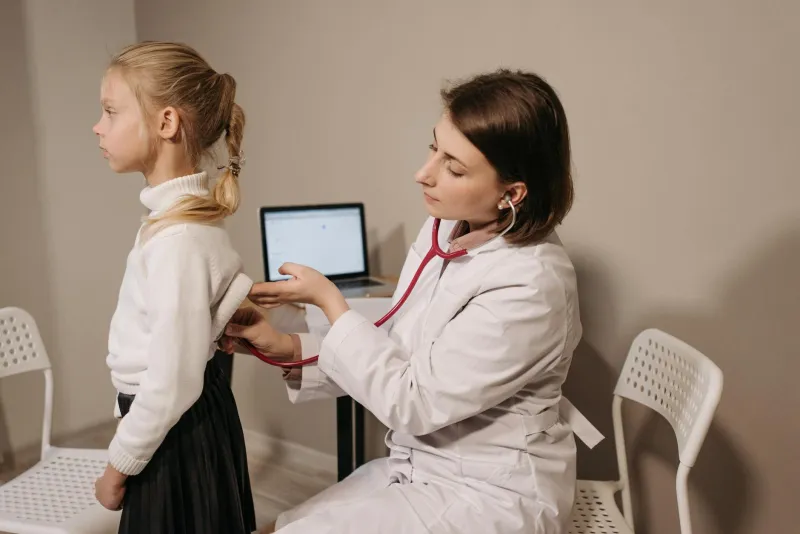
Dr. Morrison's medical bag contained the tools to handle most health emergencies: a stethoscope, blood pressure cuff, thermometer, syringes, and a small pharmacy of essential medications. He could stitch wounds, set simple fractures, and recognize serious conditions that required hospital care.
More importantly, he knew his patients as people, not just medical conditions. He understood that Mrs. Peterson's "headaches" started after her husband lost his job, and that young Billy's stomach problems flared up during baseball season when his father pushed too hard. This wasn't just bedside manner — it was diagnostic insight that came from knowing families across decades.
When Medical Care Was Personal
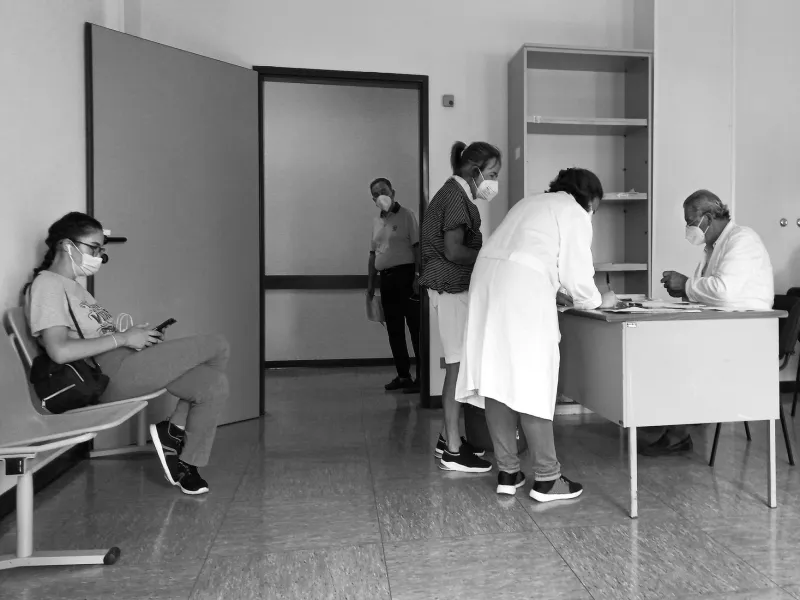
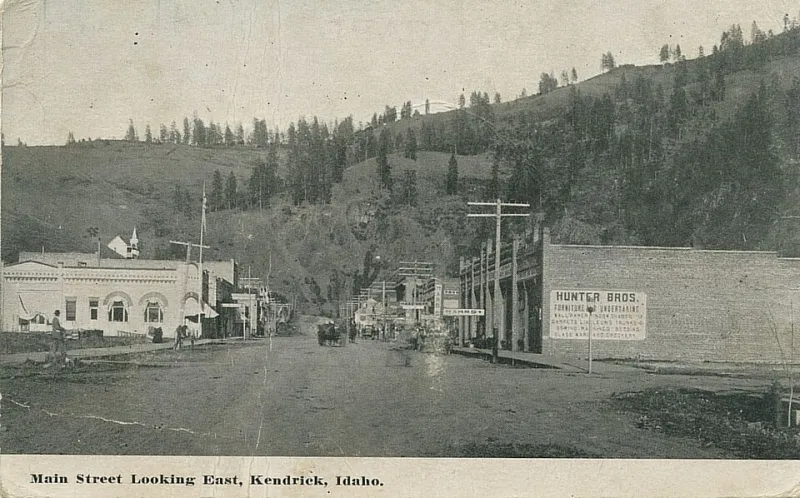
The family doctor's office was usually a converted house on Main Street, with a waiting room that looked more like someone's living room than a modern medical facility. Appointments weren't scheduled in rigid 15-minute blocks. Dr. Morrison saw patients until everyone was taken care of, even if that meant staying past dinner.
 Photo: Main Street, via socinator.com
Payment was often as personal as the care. During the Great Depression and its aftermath, many doctors accepted whatever families could offer: fresh eggs, home-canned vegetables, or simply an IOU until the next harvest came in. The relationship between doctor and patient was built on trust and community connection, not insurance networks and billing codes.
House calls were standard practice, not luxury service. When someone was too sick to travel, the doctor came to them. Dr. Morrison knew every back road in three counties and made his rounds regardless of weather, often arriving at farmhouses in the middle of the night to deliver babies or tend to emergencies.
The Specialization Revolution
The transformation began in the 1960s as medical knowledge exploded and technology advanced. Suddenly, no single doctor could master every aspect of medicine. Cardiology, oncology, neurology — new specialties emerged as fast as medical schools could train specialists.
Insurance companies accelerated the change by creating networks that favored specialists over generalists. Why pay a family doctor to treat diabetes when an endocrinologist could provide "specialized" care? The economic incentives pushed medicine toward fragmentation, even when patients needed coordination.
By 1980, specialists outnumbered general practitioners for the first time in American history. By 2000, family medicine had become just another specialty, competing with dozens of others for medical school graduates.
The Hidden Costs of Medical Fragmentation
Today's medical system is undeniably more advanced than Dr. Morrison's practice. We can treat cancers that would have been death sentences in 1960, replace worn-out joints, and manage chronic conditions with precision he couldn't imagine.
But we've paid a price that's harder to measure in medical journals. The average American now sees multiple doctors who don't communicate with each other, creating a fragmented picture of their health. Patients become medical tourists, traveling from specialist to specialist, each seeing only one piece of the puzzle.
The loss of continuity has real consequences. Studies show that patients with a consistent primary care relationship have better health outcomes, lower costs, and higher satisfaction. They're less likely to be hospitalized, more likely to receive preventive care, and better at managing chronic conditions.
When Depression Wasn't a Referral
Dr. Morrison treated depression the same way he treated broken bones — as part of his job. He understood that mental health was inseparable from physical health, and he had time to listen when patients needed to talk through their problems.
Today, primary care doctors are trained to recognize mental health issues but often lack the time or resources to address them meaningfully. The average primary care visit lasts 18 minutes, barely enough time to review symptoms and write referrals to specialists.
The result is that mental health care has become disconnected from overall health care, creating artificial barriers between mind and body that Dr. Morrison would have found bewildering.
The Economics of Trust
The old system wasn't perfect. Dr. Morrison sometimes missed diagnoses that today's specialists would catch immediately. His treatments were limited by the technology and knowledge of his era. Some patients suffered because they couldn't access the specialized care they needed.
But the economic relationship was fundamentally different. Healthcare was a service, not an industry. Doctors were small business owners embedded in their communities, not employees of corporate hospital systems. The financial incentives encouraged long-term relationships, not high-volume turnover.
What We're Trying to Rebuild
Ironically, modern medicine is now trying to recreate what we lost. "Patient-centered medical homes" attempt to coordinate care around a primary relationship. "Concierge medicine" promises the kind of personalized attention that used to be standard. Electronic health records try to recreate the institutional memory that Dr. Morrison carried in his head.
But these innovations are expensive solutions to problems we created by abandoning a system that worked. We're using technology to rebuild the human connections that once came naturally.
The Doctor Who Knew Your Story
The greatest loss isn't medical — it's human. Dr. Morrison knew his patients' stories in a way that no specialist ever could. He understood how their health connected to their work, their families, their fears, and their dreams. That knowledge made him a better doctor and his patients better patients.
Modern medicine can save lives that Dr. Morrison couldn't have touched. But it struggles to care for people the way he did every day — as whole human beings whose health is inseparable from their humanity. In gaining medical sophistication, we lost something that no amount of specialization can replace: the doctor who knew you from birth and cared for you like family.