America's Swimming Pools Used to Unite Us — Now They Divide Us
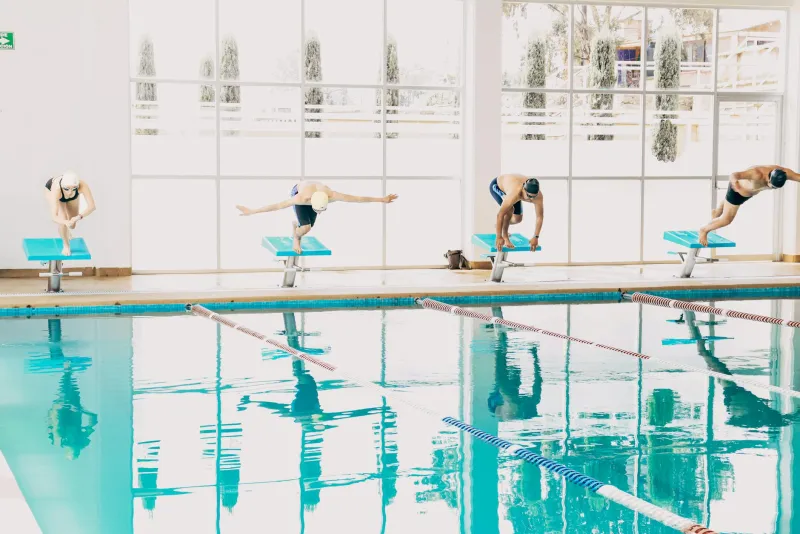
The Golden Age of Getting Wet
Every summer morning in 1975, the scene was identical across America: dozens of kids from every corner of the neighborhood racing toward the chain-link gates of the municipal pool. Rich kids and poor kids, shy kids and popular kids, all united by the same goal — getting to the pool before it got crowded.
The public swimming pool was America's great equalizer. It didn't matter if your dad was a bank president or a factory worker; in the water, everyone was just another kid trying not to get caught running on the wet concrete. The pool was where entire neighborhoods learned to swim, made friends across social lines, and spent long summer days that stretched into evening.
Then, quietly and without much fanfare, we let it all slip away.
When Every Town Had a Swimming Hole
The mid-20th century was the golden era of public pools. Post-war prosperity and federal investment in recreation created thousands of municipal swimming facilities across the country. Cities took pride in their pools the way they took pride in their libraries or fire stations — these were public goods that served everyone.
In towns across America, the public pool served as the unofficial headquarters of summer childhood. Kids would arrive when the gates opened at 10 AM and stay until closing time, taking breaks only for the mandatory adult swim periods that cleared the water every hour. Parents dropped off children with a towel and a dollar for snacks, knowing they'd be safe and supervised until pickup time.
The pool was also where America's complicated relationship with integration played out in real time. While many Southern pools closed rather than integrate in the 1950s and 60s, thousands of others became spaces where children of different backgrounds swam, played, and interacted in ways that were revolutionary for their time.
The Economics of Equality
What made public pools truly democratic was their accessibility. For the price of admission — usually less than a movie ticket — any child could spend an entire day swimming, playing, and socializing. Families who couldn't afford beach vacations or country club memberships still had access to clean, safe water and professional lifeguards.
The pool also created its own economy of childhood. Kids saved allowance money for the snack bar, learned to share space with strangers, and developed the social skills that come from navigating crowded public spaces. The pool taught lessons you couldn't learn in a backyard: how to wait your turn for the diving board, how to make room for others, how to look out for smaller kids.
Lifeguards became unofficial community leaders — teenagers and young adults who commanded respect from children and parents alike. They enforced rules, prevented conflicts, and served as role models for younger kids who dreamed of one day sitting in that high chair with a whistle around their neck.
When the Gates Started Closing
The decline began quietly in the 1980s and accelerated through the following decades. City budgets tightened, maintenance costs rose, and liability concerns grew. One by one, municipal pools across America began closing their doors — sometimes permanently, sometimes just for the season that never ended.
The reasons were always practical: aging infrastructure, budget shortfalls, staffing challenges. But the result was the same. Public pools that had served communities for decades suddenly sat empty, their diving boards removed, their gates locked, their concrete slowly cracking in the sun.
Meanwhile, backyard pools became increasingly common among families who could afford them. What had once been a luxury reserved for the wealthy became a middle-class aspiration, achievable through financing plans and above-ground options. The pool moved from the public square to the private backyard.
The Privatization of Summer
This shift from public to private swimming represents more than just changing recreation habits — it reflects a broader transformation in how Americans think about shared spaces and common goods. When families invest in backyard pools, they're not just buying convenience; they're buying exclusivity.
The backyard pool eliminates the unpredictability of public swimming: no crowds, no rules about running, no strangers' children to navigate around. But it also eliminates the social mixing that made public pools valuable community spaces. Today's children increasingly swim only with kids from similar economic backgrounds, missing the casual integration that public pools once provided.
Private pools also require ongoing investment that many families can't sustain. The same economic pressures that closed public pools — maintenance costs, safety concerns, seasonal staffing — now fall on individual homeowners. The result is a swimming landscape divided between those who can afford private access and those who have limited options.
What We Lost in the Water
The disappearance of public pools represents the loss of something harder to quantify than just swimming access: shared public life. The municipal pool was a place where different parts of the community intersected naturally, where children formed friendships across economic lines, where parents from different neighborhoods found common ground watching their kids play.
Today's children are more likely to swim in controlled environments — private pools, exclusive clubs, or expensive swim programs. They're safer, perhaps, but they're also more isolated. The random encounters and casual mixing that characterized public pool culture have been replaced by carefully curated social experiences.
The Ripple Effect
The story of America's pools mirrors the broader story of public investment in the late 20th century. As faith in government declined and private alternatives became available, we gradually abandoned shared institutions that had served entire communities. The result is a society that's more stratified, more segregated, and more divided along economic lines.
Some cities have tried to reverse this trend, investing in new public pools or renovating old ones. But these efforts face the same challenges that closed pools in the first place: tight budgets, competing priorities, and a political culture that increasingly sees public amenities as luxuries rather than necessities.
The next time you drive past a closed public pool — its empty basin filled with leaves, its diving board long removed — remember what it once represented. It wasn't just a place to swim; it was a place where America's children learned to share space, respect rules, and see each other as neighbors rather than strangers. In losing our public pools, we lost a little bit of our capacity to be a truly public society.