America's Lost Palaces: When Going to the Movies Was Like Attending a Royal Event
The Temples of American Entertainment
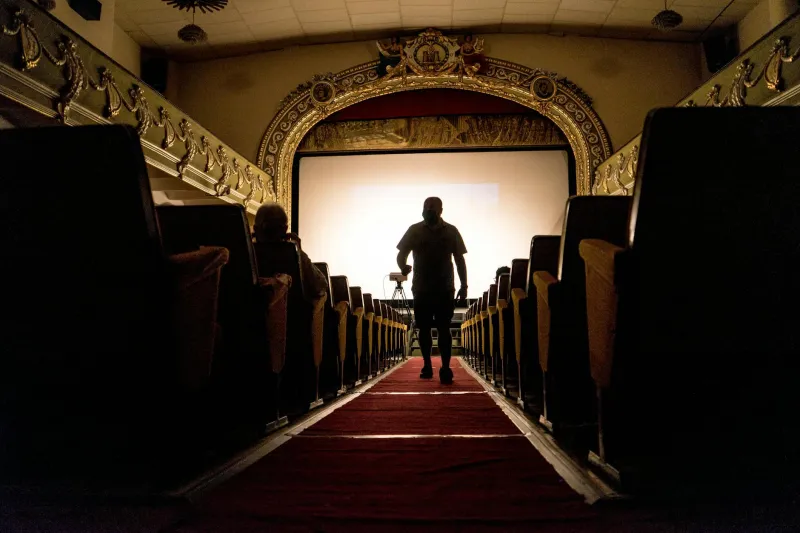
In 1925, nearly every American town with more than 5,000 people boasted something remarkable: a movie palace that rivaled European opera houses in grandeur. The Paramount in Seattle, the Fox in Atlanta, the Oriental in Chicago – these weren't just places to watch films. They were architectural marvels with hand-painted ceilings that mimicked starlit skies, lobbies adorned with crystal chandeliers, and auditoriums that seated thousands in velvet-upholstered luxury.
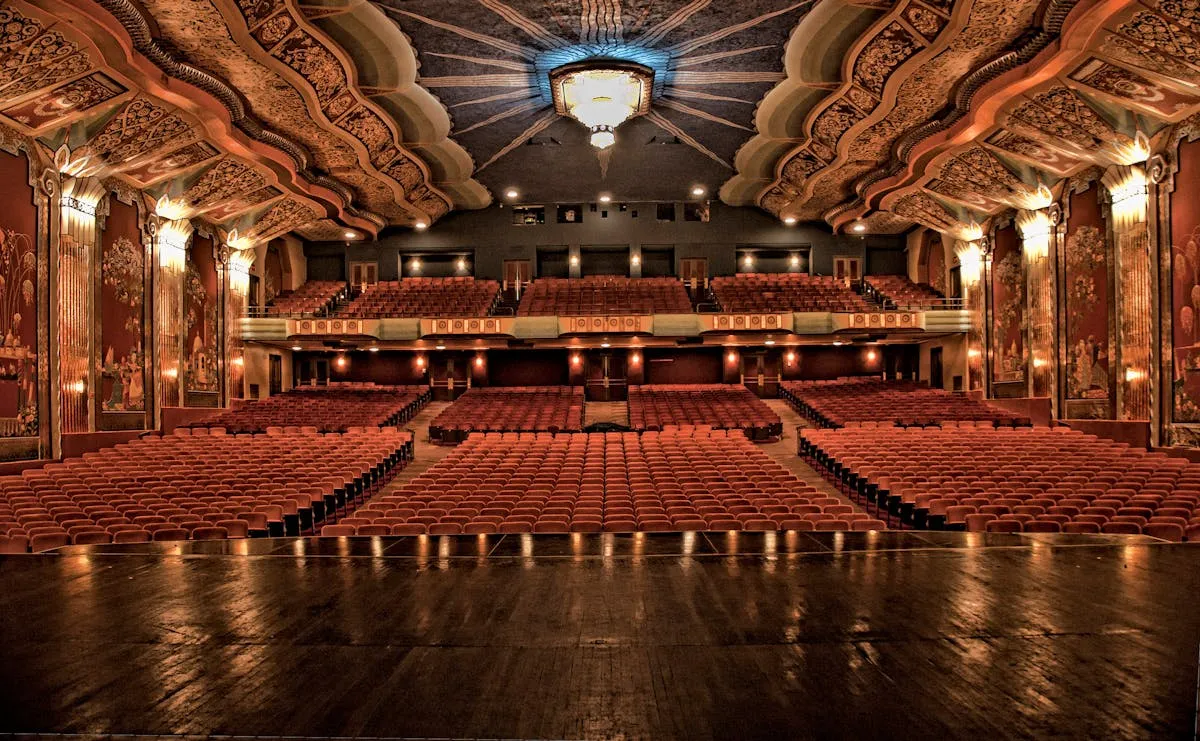 Photo: Paramount in Seattle, via images.discotech.me
The experience began the moment you approached the marquee. Uniformed ushers with flashlights guided patrons to their seats. A Wurlitzer organ, often rising dramatically from beneath the stage, provided live musical accompaniment. The curtain didn't just open – it was an event, complete with orchestral fanfare and theatrical lighting that transformed a simple movie screening into something approaching a religious experience.
When Saturday Night Meant Something Special
For most Americans, going to the movies wasn't a casual decision made while scrolling through streaming options on a Tuesday night. It was the centerpiece of weekend social life. Families dressed up. Couples planned dates around showtimes. Children saved their allowances for weeks to afford the 25-cent ticket that granted access to a double feature, newsreel, cartoon, and sometimes a live vaudeville act.
The ritual was as important as the entertainment. You didn't just show up whenever you felt like it – movies had specific start times, and arriving late meant missing crucial plot points. The shared experience of watching the same film at the same time created a communal bond that extended far beyond the theater walls. Monday morning conversations at work or school inevitably revolved around what everyone had seen over the weekend.
The Architecture of Dreams
These theaters were designed to transport audiences from their everyday lives into something magical. The Grauman's Chinese Theatre in Hollywood featured authentic Chinese artifacts and architecture. The Tampa Theatre in Florida recreated a Mediterranean courtyard complete with twinkling stars projected on the ceiling. The Uptown Theatre in Chicago boasted Spanish baroque design so elaborate that patrons often arrived early just to admire the interior.
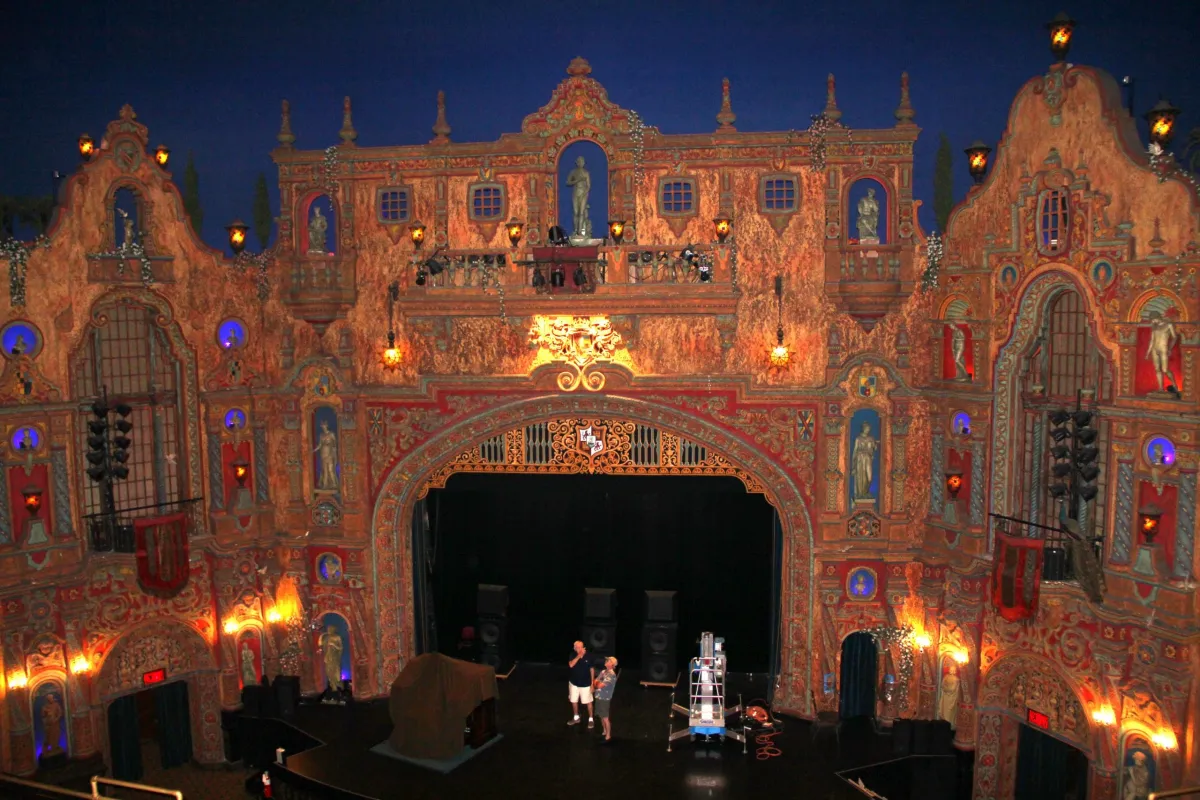 Photo: Tampa Theatre, via evergreene.com
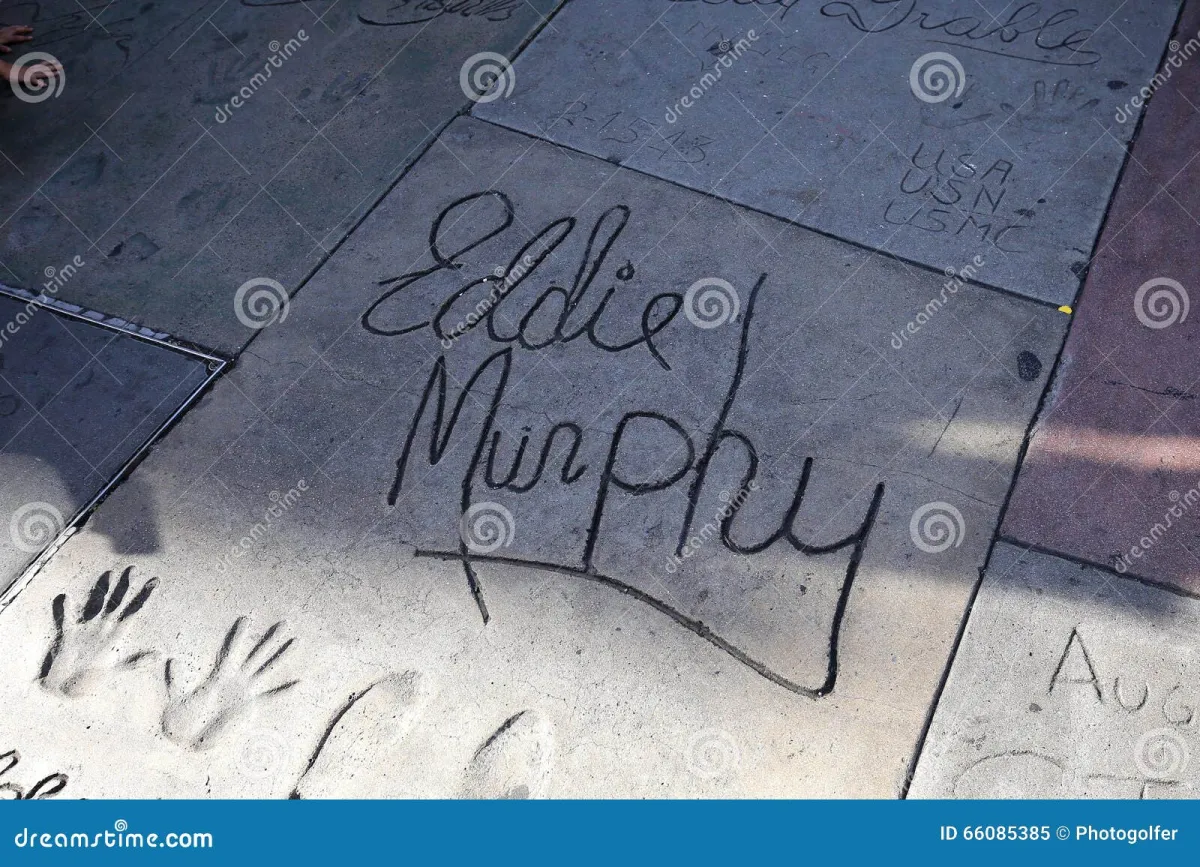 Photo: Grauman's Chinese Theatre, via thumbs.dreamstime.com
Every detail was crafted to enhance the illusion. Thick carpets muffled footsteps. Heavy drapes absorbed sound. The projection booth was hidden from view, maintaining the magic of images appearing seemingly from thin air. Even the restrooms were appointed with marble fixtures and ornate mirrors, ensuring that no aspect of the experience felt ordinary.
The Death of the Palace Era
The beginning of the end came in the 1950s with two simultaneous developments: television and suburbanization. As Americans moved to the suburbs, they wanted entertainment closer to home. Drive-in theaters initially filled this need, but they lacked the grandeur and community atmosphere of the downtown palaces.
The real death blow came with the multiplex revolution of the 1960s and 70s. Theater owners discovered they could make more money by dividing one large auditorium into multiple smaller screens, showing different films simultaneously. The economics were undeniable, but something irreplaceable was lost in the process.
By 1980, most of America's great movie palaces had been demolished, converted to other uses, or carved up into smaller theaters that bore no resemblance to their original grandeur. The few that survived did so by becoming concert venues or legitimate theaters, no longer serving their original purpose as community gathering places for shared cinematic experiences.
Today's Diminished Experience
Step into any modern multiplex, and the contrast is stark. Low ceilings, narrow aisles, and utilitarian design prioritize efficiency over experience. The lobby is a corridor designed to funnel customers quickly to their designated screening room. The emphasis is on convenience and profit margins rather than creating a sense of occasion.
Even the premium theater experience – with its reclining leather seats and in-seat food service – feels more like an expensive living room than a palace of entertainment. The focus has shifted from shared communal experience to individual comfort, from architectural grandeur to technological convenience.
The Streaming Revolution's Final Victory
Today's movie experience bears no resemblance to the palace era. Most Americans watch films on devices ranging from 75-inch home screens to smartphone displays. The notion of dressing up to attend a movie, of gathering with hundreds of strangers to share a cultural moment, of experiencing entertainment as a special event rather than background noise – all of this has been relegated to history.
We've gained unprecedented access to entertainment. Netflix offers more viewing options than existed in the entire golden age of Hollywood. But we've lost something that can't be quantified: the sense that entertainment could be transformative, that watching a movie could be an event worthy of preparation, anticipation, and shared memory.
What the Palaces Really Represented
The movie palaces weren't just about films – they were about democracy. For the price of a ticket, any American could experience luxury that was otherwise reserved for the wealthy. A factory worker could sit in velvet seats beneath crystal chandeliers. A farm family visiting town could experience architectural grandeur that rivaled European royalty.
These theaters also served as community anchors. They hosted local events, graduation ceremonies, and civic gatherings. They were places where different social classes mixed, where shared cultural experiences created bonds that transcended economic differences.
The loss of the movie palace represents more than just a change in how we consume entertainment. It reflects a broader shift from public, shared experiences to private, individualized consumption. We've gained convenience and choice, but we've lost the magic that comes from experiencing wonder alongside our neighbors, from being part of something larger than ourselves, from treating entertainment as an event worthy of reverence rather than just another way to pass the time.