Brown Paper, Twine, and a Whole Lot of Faith: How Americans Shipped Everything Before FedEx
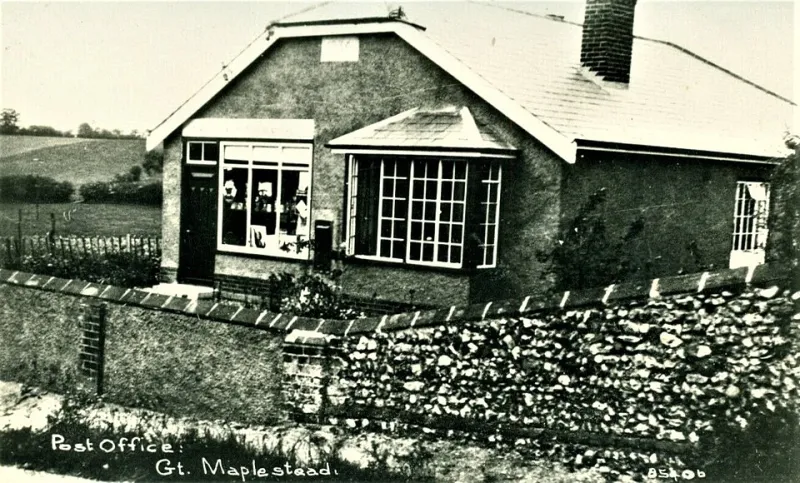
Photo: Mark Crombie, Public domain, via Wikimedia Commons
Somewhere in a small Iowa town in 1915, a grandmother wrapped a glass jar of preserved peaches in several layers of newspaper, tied the bundle with kitchen twine, wrote an address on brown paper in careful cursive, and handed it to her local postmaster. She expected it to arrive intact in Ohio. And somehow, more often than not, it did.
That was shipping in America before the age of logistics giants. No tracking apps. No guaranteed delivery windows. No branded boxes or foam peanuts. Just the U.S. Postal Service, a whole lot of trust, and a national network of postal workers who treated every parcel like it mattered — because in most communities, it did.
 Photo: U.S. Postal Service, via tutorified-wp-bucket.s3-accelerate.amazonaws.com
The Post Office Was Once America's Everything Network
It's hard to overstate how central the U.S. Post Office was to everyday American life before the mid-20th century. When Parcel Post launched in 1913, it was genuinely revolutionary. For the first time, ordinary Americans could mail packages of meaningful size through the same trusted network that delivered their letters. Rural families who lived miles from the nearest general store suddenly had access to goods from across the country — ordered from catalogs and delivered right to their door.
Sears, Roebuck and Co. built an empire on exactly this arrangement. You picked your item from the catalog, sent in your order with payment, and waited — sometimes weeks — for the postman to arrive. The wait was part of the experience. Anticipation was baked into the transaction in a way that modern consumers have entirely forgotten.
And the range of things people mailed through the USPS would make today's postal regulators break into a cold sweat. Baby chicks were regularly shipped in ventilated boxes — the postal code actually had provisions for live poultry. Beekeepers mailed queen bees in small wooden cages packed with worker bees for company. Farmers sent hatching eggs across state lines. The system accommodated life in all its strange, organic variety.
Yes, They Actually Mailed Children
Perhaps the most startling chapter in American postal history is the brief, bizarre era when children were technically mailable. Between 1913 and 1915, before postal authorities put a stop to it, a handful of families actually sent their young children through the mail — affixing stamps to their clothing and entrusting them to the care of rural mail carriers who were often family friends. The postage was cheaper than a train ticket, and in tight-knit communities where every postal worker was a known neighbor, it seemed perfectly reasonable.
It sounds absurd by modern standards. But it tells you something important about the era: people trusted institutions and the individuals within them in a way that's almost unimaginable today. The postman wasn't a stranger. He was practically family.
The Art of Packing Was a Skill, Not an Algorithm
Before styrofoam and bubble wrap, Americans developed serious packaging instincts. Fragile items got nested in sawdust. Glassware was wrapped in old newspaper and then more newspaper. Jars of jam were cushioned with rags. Wooden crates were built by hand for heavier goods. There were no standard box sizes, no QR codes, no drop-off kiosks. You figured it out, and you figured it out based on what you had.
Postmasters at small-town post offices often played a quiet advisory role in this process. If you weren't sure how to pack something, you asked. They'd seen it all — what held up over a thousand miles of rail and what didn't. That knowledge lived in people, not in FAQs.
When UPS and FedEx Changed the Rules
United Parcel Service began as a messenger company in Seattle in 1907, but it was the postwar decades — particularly the 1950s through the 1970s — that transformed it into the brown-truck behemoth Americans recognize today. FedEx arrived in 1971 with a genuinely radical promise: overnight delivery, guaranteed. That single idea rewired American expectations about time and commerce in ways that are still reverberating.
Suddenly, waiting wasn't noble or patient. It was inefficient. The cultural shift happened gradually, then all at once. By the time Amazon Prime introduced free two-day shipping in 2005, the transformation was essentially complete. Today, if a package doesn't arrive within 48 hours, customers leave one-star reviews.
What Speed Cost Us
The gains are obvious. Modern shipping is faster, more reliable, more trackable, and in many cases cheaper than anything that existed a century ago. A small business owner in rural Montana can now reach customers in Florida with the same efficiency as a warehouse in New Jersey. That's genuinely remarkable.
But something quieter was lost in the transaction. The old shipping ecosystem was embedded in community. Your postmaster knew you. The delivery of a package was sometimes an event — neighbors gathering to see what arrived, the sender's handwriting recognized before the box was even opened. Shipping wasn't just logistics. It was a thread in the fabric of daily social life.
Today, packages appear on doorsteps like magic, left by drivers who never knock. The experience is frictionless, anonymous, and efficient. Whether it's better depends on what you think commerce is actually for.
Maybe the brown paper and twine weren't just packing materials. Maybe they were a reminder that someone, somewhere, had taken the time to wrap something carefully and send it with the sincere hope that it would arrive whole.