When the Whole Country Was Reading the Same Page: The Shared Literary Moment America Used to Have
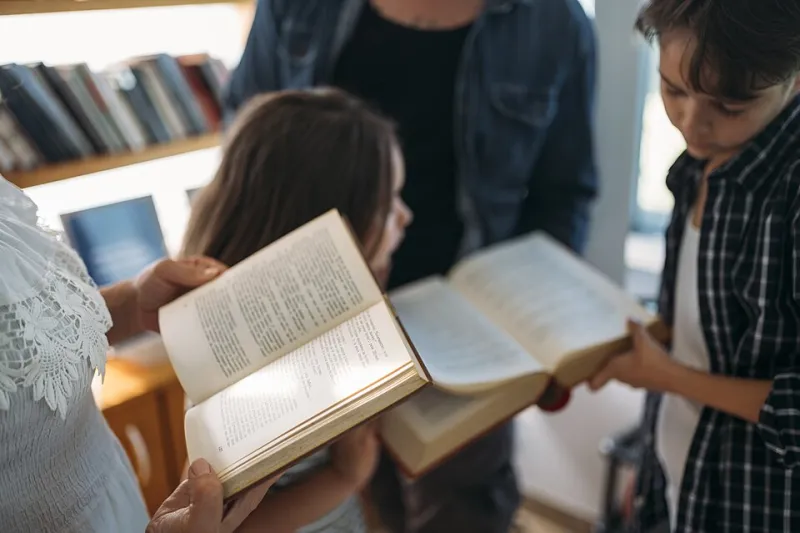
Photo: Shixart1985, CC BY 2.0, via Wikimedia Commons
In the summer of 1974, you couldn't ride a commuter train in America without seeing the same book in at least three pairs of hands. It was Jaws. Peter Benchley's novel about a great white shark terrorizing a Long Island beach town had become something beyond a bestseller — it had become a national conversation, a shared anxiety, a dinner table argument about whether Brody was right to close the beaches.
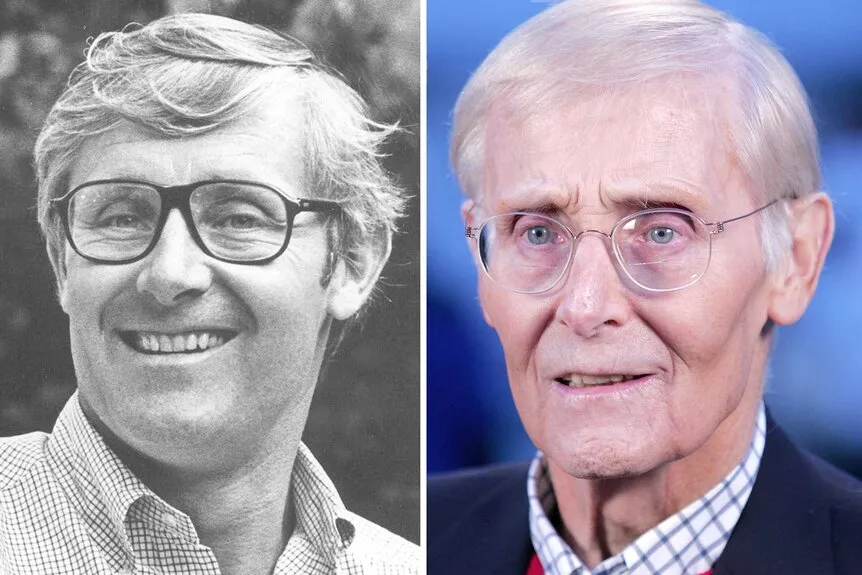 Photo: Peter Benchley, via www.nbc.com
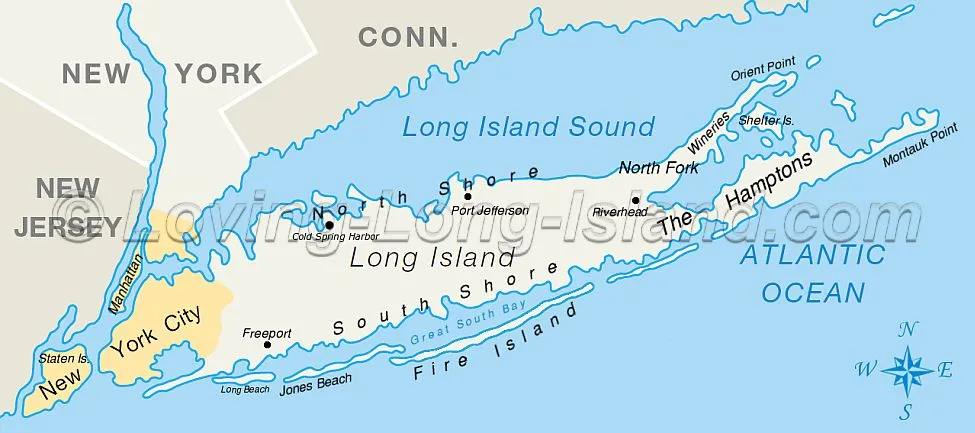 Photo: Long Island, via 3.bp.blogspot.com
People who hadn't read a novel since high school were reading it. People who'd never once discussed a book with their coworkers were discussing it. The country was, briefly and completely, living inside the same story.
That kind of moment still technically exists. It just doesn't happen the same way anymore — and the difference matters more than most of us realize.
The Mechanics of a National Reading Moment
To understand what made those shared literary events possible, it helps to understand just how different the information landscape was. In the 1960s and 70s, there was no internet, no streaming, no algorithm curating content to individual tastes. There were three television networks, a handful of major newspapers, and a relatively small number of publishing houses deciding what books got serious distribution and promotion.
When a major publisher got behind a title — and when that title connected — the entire country heard about it through the same channels at roughly the same time. The New York Times bestseller list wasn't just a ranking. It was a cultural signal that this was the book, the one people were talking about, the one you'd be out of the loop on if you hadn't read it.
Books like The Godfather (1969), Jonathan Livingston Seagull (1970), Roots (1976), Sophie's Choice (1979), and The Hunt for Red October (1984) didn't just sell millions of copies. They created genuine communal experiences. People read them because everyone else was reading them, and reading them gave you entry into a conversation that was happening everywhere simultaneously.
What It Felt Like to Be Inside the Same Story
There's a social dimension to shared reading that's easy to underestimate. When Roots was published and then adapted into a television miniseries in 1977, it sparked conversations about race, history, and identity across the country that cut through social lines in ways that were genuinely unusual for the era. Workplaces, churches, and neighborhood barbecues were all processing the same material at the same time. The shared text gave people a common entry point into difficult territory.
The Godfather did something similar with questions of loyalty, family, and the American immigrant experience. Jaws tapped into something primal about nature and helplessness and small-town politics. These weren't just popular books. They were cultural events that gave millions of strangers a shared vocabulary.
That's not nothing. In fact, it's something quite specific and quite valuable: a mechanism for a large, diverse, geographically spread-out country to feel, however briefly, like it was thinking about the same things.
How the Landscape Fractured
The fragmentation didn't happen all at once. The first cracks appeared in the 1980s as cable television multiplied the entertainment options competing for people's attention. By the 1990s, the internet had begun distributing niche content to niche audiences in ways that made the idea of a single shared cultural moment feel increasingly quaint.
Amazon changed book retail the same way it changed toy retail and hardware retail and every other category it entered: by offering more of everything to everyone, personalized and optimized and delivered fast. Goodreads, book clubs organized around identity and interest, and social media reading communities like BookTok created rich, engaged reading cultures — but they were parallel cultures, not a shared one.
Today's bestseller lists are, paradoxically, both more transparent and less culturally meaningful than they were in 1975. A book can sell millions of copies and still feel like it belongs to a specific audience rather than to everyone. Spare by Prince Harry dominated sales charts in early 2023. So did Atomic Habits and Fourth Wing. These books have enormous readerships — but their readers aren't necessarily talking to each other across social lines the way Roots readers were.
The Algorithm Knows What You Like — Which Is Exactly the Problem
Here's the quiet irony at the center of modern reading culture: the tools that make it easier than ever to find books you'll love are the same tools that make it harder than ever to accidentally read something outside your comfort zone.
When a neighborhood bookstore employee or a magazine critic recommended a book in 1972, they were recommending it to everyone — to the accountant and the steelworker and the housewife and the college student simultaneously. The recommendation didn't know your reading history or your political leanings or your preferred genre. It was a broad, democratic, slightly imprecise suggestion that sometimes landed exactly right and sometimes introduced you to something you'd never have sought out on your own.
Algorithms don't work that way. They're optimized to reduce friction, to serve you more of what you've already demonstrated you enjoy. They're very good at that. What they can't do is create the conditions for a genuinely shared national moment, because they're not in the business of giving everyone the same thing at the same time.
What the Shared Story Actually Did For Us
It's tempting to be purely nostalgic about this — to frame the national literary moment as simply a nicer, simpler time when people read more and talked to each other more. But that's not quite the right lens.
What the shared book actually provided was a kind of social infrastructure. It gave people who had very little in common a common reference point, a shared emotional experience, a reason to engage across differences. In a country as large and diverse as the United States, those points of commonality don't just happen naturally. They have to be created — and for a few decades in the middle of the 20th century, the bestseller list was surprisingly effective at creating them.
We have more books now, more readers, more voices, and more ways to connect around literature than ever before. What we have less of is the accidental, unplanned, everybody-on-the-same-page moment that used to happen every few years and remind us, without anyone planning it, that we were all living in the same country at the same time.