The Summer Afternoon With Nothing to Do Was the Best Thing That Ever Happened to American Kids
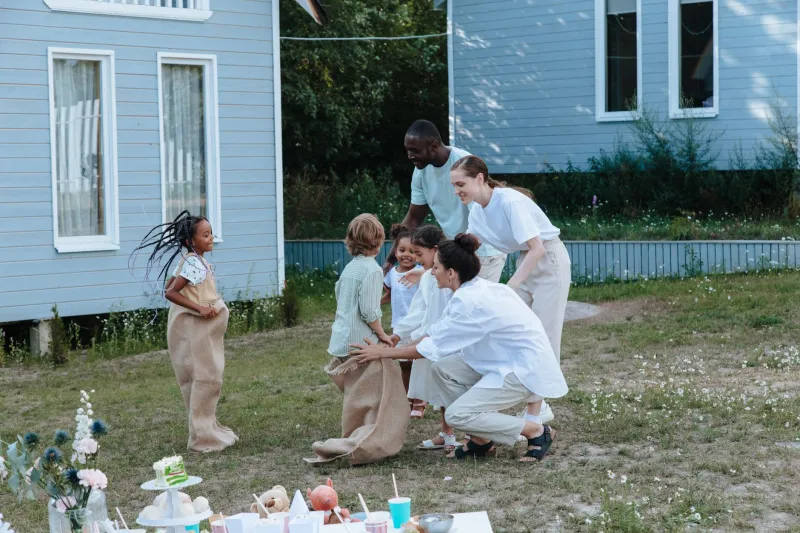
It's a Tuesday in July, 1987. School is out. Your mom is inside. There is nothing — absolutely nothing — planned for the afternoon. No camp, no playdate, no organized anything. Just you, the neighborhood, and a yawning stretch of unscheduled hours that feel, at first, like a small punishment.
So you figure something out. Maybe you build a ramp in the driveway out of plywood and a cinder block. Maybe you organize a game of capture the flag that involves half the kids on the street. Maybe you dig a hole in the backyard for reasons that seemed important at the time. By the time your mom calls you in for dinner, you've invented something, argued about something, fixed something, and probably scraped a knee.
That experience — that long, unmonitored, structureless afternoon — is now essentially extinct from American childhood. And the more researchers look at what replaced it, the more concerned they're getting.
How Boredom Used to Work
For most of the 20th century, boredom was a standard feature of childhood, not a bug to be patched. Kids in the 1950s, '60s, '70s, and into the '80s had wide swaths of unscheduled time that parents didn't feel obligated to fill. The expectation was simple: go outside, come back for dinner, don't break anything important.
Within that freedom, kids developed something that child psychologists now call self-directed play — the ability to create entertainment from scratch, negotiate rules with peers, manage frustration without adult intervention, and persist through the uncomfortable early minutes of not knowing what to do. Boredom, it turns out, was the engine that powered imagination.
The neighborhood was the platform. Kids as young as six or seven roamed several blocks in either direction without parents hovering. Older kids taught younger ones the rules of games, informal hierarchies formed and dissolved, and disputes got resolved without referees. None of this felt like development at the time. It just felt like Tuesday.
When Screens Arrived and Schedules Tightened
The shift started in the late 1980s and accelerated dramatically through the '90s and 2000s. Two things happened more or less simultaneously: parents became more anxious about unsupervised outdoor time (partly due to high-profile child safety cases that received wall-to-wall media coverage), and entertainment options expanded dramatically at home.
By the mid-'90s, video game consoles, cable television with 60+ channels, and eventually the internet made staying inside genuinely more stimulating than going out. The calculus changed. Why wander the neighborhood when there was a whole world on the screen?
At the same time, organized extracurricular activities exploded. Soccer leagues, travel teams, piano lessons, coding camps, debate clubs, and volunteer programs colonized the afternoon hours. Parents, increasingly anxious about college applications and competitive futures, began filling every available slot in their children's schedules with something résumé-worthy. The empty Tuesday afternoon became wasted time — time a competitor's kid was using to get ahead.
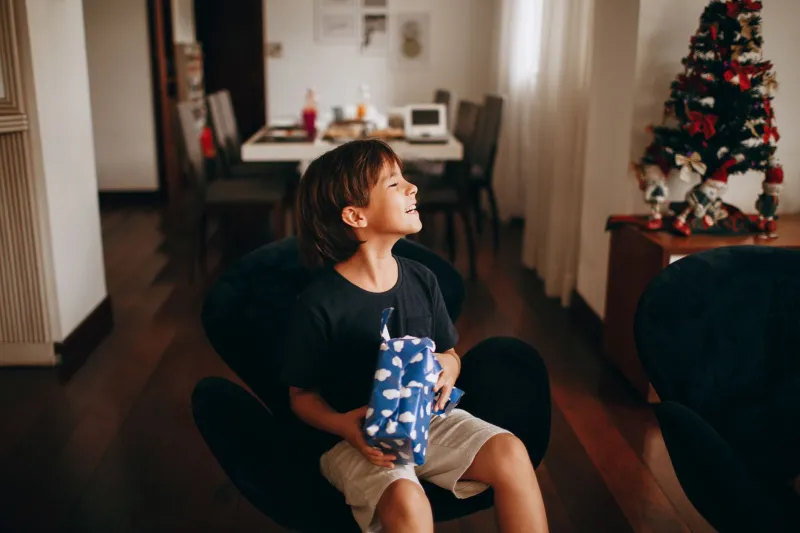
By the time smartphones arrived in the late 2000s, the transformation was nearly complete. Boredom — the actual experience of having nothing stimulating available — became nearly impossible to achieve. Every waiting room, every car ride, every quiet moment could be instantly filled with video, music, games, or social media. Children born after 2010 have essentially never experienced sustained boredom in the traditional sense.
What Boredom Was Actually Building
Here's what researchers have spent the last decade trying to explain to a culture that treats boredom as a problem: those long, structureless afternoons were doing serious developmental work.
Unstructured play is where children develop executive function — the ability to plan, make decisions, and regulate their own behavior. When kids organize their own games, they practice negotiation, leadership, compromise, and conflict resolution without a parent or coach mediating every interaction. When they get bored and have to invent something to do, they exercise creative problem-solving that structured activities simply don't require.
Psychologist Stuart Brown, who spent decades studying play, found that free, unstructured play was critical to developing social competence and emotional resilience. Children who didn't get enough of it struggled more with anxiety, had harder times managing frustration, and showed less creativity in problem-solving as adults.
More recently, researchers have linked the decline of unsupervised outdoor play to rising rates of anxiety and depression in adolescents. Jonathan Haidt's work on the "anxious generation" draws a direct line between the smartphone-saturated, over-scheduled childhood that became standard after 2012 and the mental health crisis that followed among teens. The connection isn't subtle.
The Scheduled Child and the Stimulated Child
Today's American childhood looks, from the outside, incredibly enriched. Kids are learning coding at eight, playing competitive soccer at nine, taking AP classes at fifteen. They're connected to information, entertainment, and social networks in ways that previous generations couldn't have imagined. By any measurable input metric, modern children are receiving more.
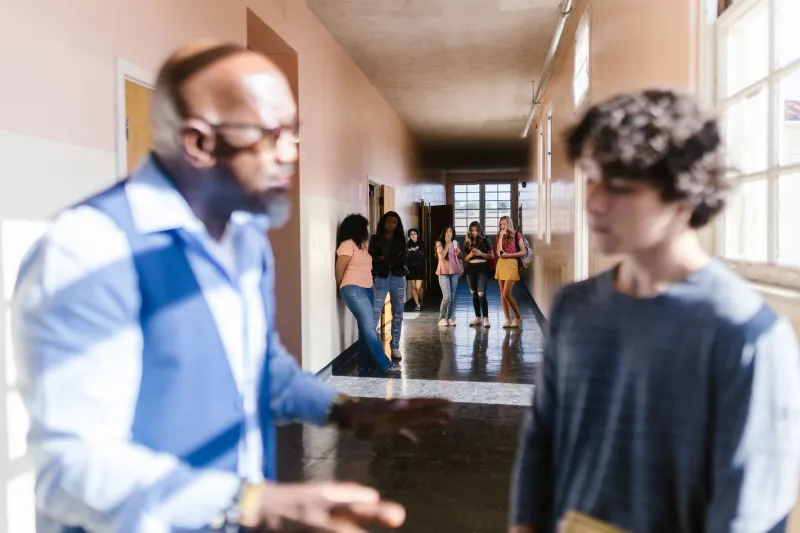
But what they're receiving less of is the experience of managing themselves. When every hour is scheduled, children never have to decide what to do with time. When every moment of boredom is instantly solvable with a phone, children never have to sit with discomfort long enough to push through it into something creative. When parents are always nearby to mediate and monitor, kids never have to work out their own social problems.
The result, increasingly, is young adults who are impressively credentialed and genuinely anxious — competent at performing tasks they've been trained for and uncertain about what to do when the structure disappears.
The Ramp Made of Plywood Was a Classroom
Nobody told the kid in 1987 that building a bike ramp out of scavenged materials was teaching him engineering intuition, risk assessment, and iterative problem-solving. It just looked like messing around. That was the whole point — it looked like nothing, and it was actually everything.
We didn't lose something minor when we filled every afternoon with screens and schedules. We traded away the conditions that produced resilient, self-directed, creative people — and replaced them with optimized, monitored, stimulated children who've never had to figure out what to do with a quiet Tuesday.
The empty afternoon wasn't a gap in childhood. It was the whole education.