The Checkout Lane Used to Be a Conversation: What We Gave Up When We Started Scanning Our Own Groceries
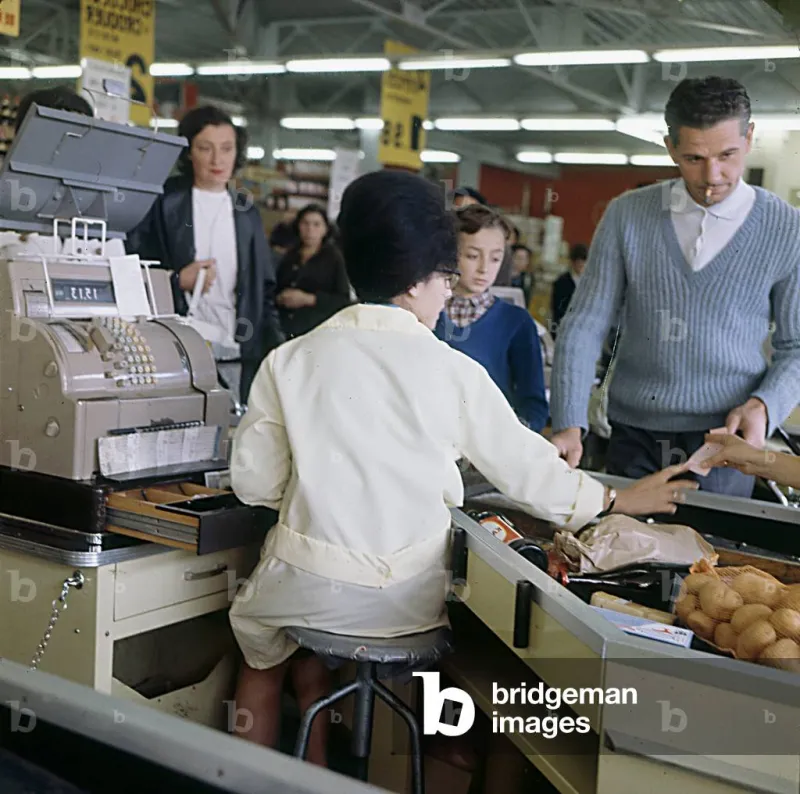
Photo: vintage supermarket cashier checkout counter 1980s, via images-cdn.bridgemanimages.com
It wasn't a friendship, exactly. But it was something.
Every Tuesday evening for years, you checked out at the same lane, and the same cashier — maybe her name was Sandra, maybe it was Maria — would glance at your cart and say something like, "Back to the pot roast this week, huh?" or "Your daughter still doing soccer?" She remembered. Not because she was trying to, but because she'd seen you enough times that you'd become part of her working world, and you'd become part of yours.
That exchange lasted maybe ninety seconds. It was not profound. And yet, for a lot of Americans, it was one of the only times in a given week that a stranger acknowledged them as a specific, known human being rather than just another transaction moving through a system.
Now scan your own items, please. The machine will take it from here.
The Supermarket as Accidental Social Infrastructure
American grocery stores were never designed to be community centers. They were built for efficiency — wide aisles, high turnover, maximum throughput. And yet, for decades, the checkout lane functioned as something the architects never intended: a brief, recurring social ritual embedded in the rhythm of weekly life.
Part of this was simply the nature of the job. Cashiers in the 1970s, 80s, and 90s tended to stay in their positions longer than today's high-turnover retail environment allows. A cashier who worked the same lane for five years at a neighborhood grocery store would, inevitably, come to recognize the regulars. And regulars, being human, would respond to recognition.
Small talk at the checkout wasn't just pleasantry. It was a form of social maintenance — the kind that happens in small, repeated doses rather than through scheduled effort. You didn't plan to feel connected to your community when you went to buy milk. But you came home slightly more anchored to it anyway.
What the Research Actually Says About Small Talk
Psychologists have spent a fair amount of time studying what they sometimes call "weak ties" — the low-intensity social connections we have with acquaintances, service workers, and people we see regularly but don't know well. The findings are fairly consistent and somewhat surprising: these interactions matter more to our sense of wellbeing than most people assume.
A widely cited University of British Columbia study found that people who were prompted to have genuine conversations with strangers — including service workers — reported higher levels of positive emotion than those who kept interactions transactional and brief. The effect was real even when participants expected the opposite. We tend to underestimate how much a small human exchange can shift our mood.
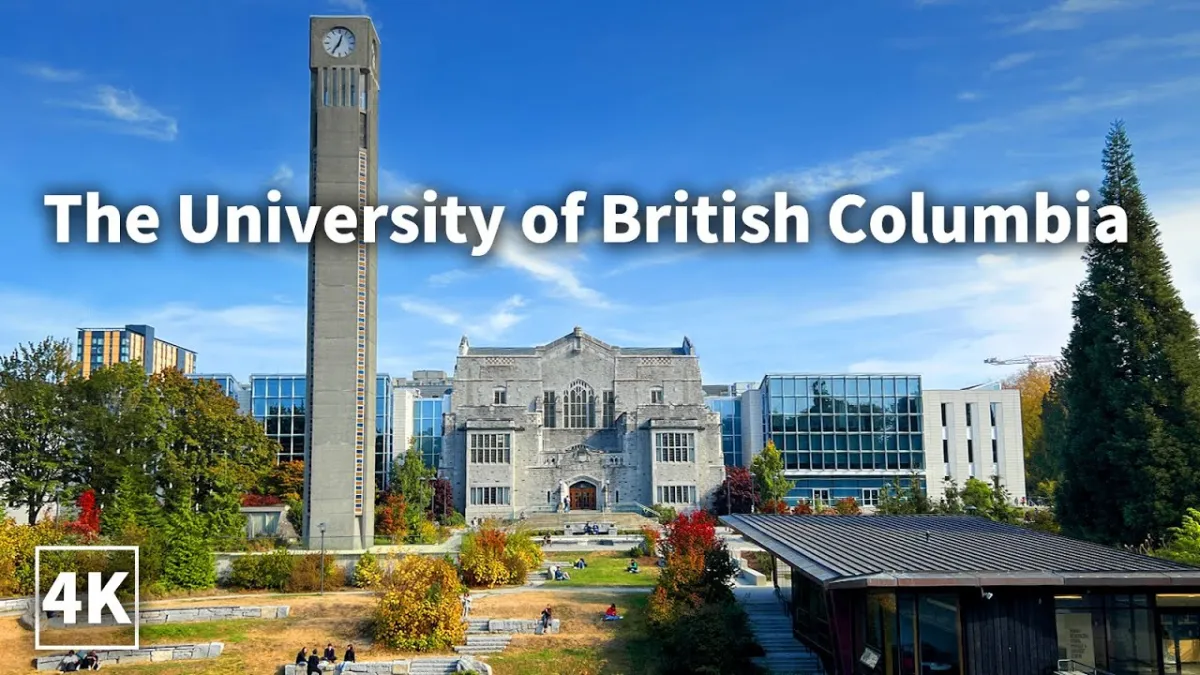 Photo: University of British Columbia, via i.ytimg.com
For older Americans, retirees, and people who live alone, these micro-interactions aren't just pleasant. They can be among the only social contact in a given day. The cashier who remembers your name isn't a minor convenience — she's a thread in the social fabric that keeps isolation from becoming overwhelming.
The Rise of the Machine That Doesn't Ask How You're Doing
Self-checkout arrived in American supermarkets in the 1990s, initially as a novelty option for customers with small baskets. By the early 2010s, it had become standard. By the 2020s, some major chains were moving toward almost entirely self-checkout formats, with human cashiers available only upon request or for complicated transactions.
The business logic is straightforward. Self-checkout reduces labor costs, increases throughput, and appeals to customers who prioritize speed. And to be fair, a lot of shoppers genuinely prefer it — particularly for quick trips when they're in no mood for conversation.
But the cumulative effect on the social texture of grocery shopping has been significant. App-based ordering and curbside pickup push the experience even further toward pure transaction. You select your items on a screen, a stranger assembles them in a bag, and another stranger brings them to your car. No lane. No conversation. No Sandra.
The Neighborhood Grocery Store Knew Something the Algorithm Doesn't
Before the era of supermarket chains, Americans shopped at neighborhood grocers where the owner often knew customers by name, remembered their preferences, and extended informal credit to families going through hard times. That world was already disappearing by the time the big chains arrived in the postwar decades.
The checkout cashier was, in some ways, the last remnant of that older model — a human point of contact in an increasingly standardized retail experience. She wasn't the store owner. She didn't extend credit or know your grandmother. But she recognized your face, and that recognition carried more social weight than the efficiency-focused redesign of modern retail tends to account for.
Convenience Isn't the Same as Progress
None of this is an argument against self-checkout or grocery apps. They solve real problems for real people, and there's genuine value in a system that gets you in and out of the store quickly when that's what you need.
But convenience and progress aren't always the same thing. When we optimize every transaction for speed and frictionlessness, we sometimes eliminate the friction that was quietly doing important work — the kind that kept us tethered to the people around us, reminded us that we were known, and made an ordinary errand feel, just slightly, like participating in a community.
The checkout lane was never just about paying for your groceries. For a lot of Americans, it was ninety seconds of being seen. And that, it turns out, was worth more than we realized until the machine started doing it for us.