Sodas, Secrets, and Prescriptions: The American Drugstore That Was Actually a Living Room
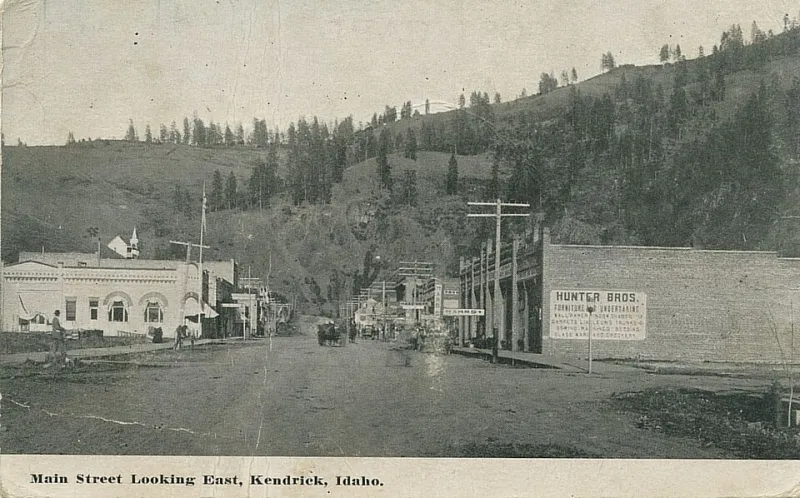
Photo: Steve Shook from Moscow, Idaho, USA, CC BY 2.0, via Wikimedia Commons
Picture this: It's 1954. You've just left your doctor's office with a prescription slip in hand. You walk two blocks to Dawson's Pharmacy, push open the door, and the bell overhead announces your arrival. The pharmacist — Mr. Dawson himself — looks up from behind the counter, nods, and takes your slip. While he works, you slide onto a red vinyl stool at the soda fountain beside the prescription counter and order a cherry Coke. Your neighbor's daughter is working the fountain today. By the time your prescription is ready, you've caught up on three pieces of local news and finished your drink.
This wasn't a fantasy. For the better part of a century, this was just Tuesday.
The Strange and Wonderful Logic of the Pharmacy Soda Fountain
The pairing of pharmaceutical services and ice cream sodas seems almost surreal from a modern vantage point, but it made perfect sense when it emerged in the 1880s. Carbonated water was originally considered a health product — pharmacists were among the first to dispense it, often mixed with medicinal syrups. The leap from medicinal carbonated water to flavored sodas was a short one, and pharmacists found themselves in the beverage business almost by accident.
By the early twentieth century, the drugstore soda fountain had evolved into something far more significant than a side business. It became a social anchor. In small towns and urban neighborhoods alike, the pharmacy fountain was where teenagers gathered after school, where young couples went on dates, where housewives stopped mid-errand to rest their feet. It was public space that felt private — familiar enough to be comfortable, commercial enough to be neutral ground.
The physical layout reinforced the social function. Long counters with stools encouraged conversation between strangers. Booths along the wall offered privacy for more serious discussions. The whole arrangement was designed, intentionally or not, to slow people down and keep them in proximity to one another.
The Pharmacist as Community Cornerstone
At the center of this world was the pharmacist, and the role carried a weight that today's chain pharmacy model doesn't quite capture. The neighborhood pharmacist knew his customers personally — knew their medical histories, their family situations, their financial circumstances. He knew which elderly customers were on fixed incomes and would quietly work out informal payment arrangements. He knew which teenagers were coming in too frequently for certain products and might have a quiet word with a parent.
This wasn't overreach. It was community medicine operating the way community medicine was supposed to work — with context, relationship, and genuine knowledge of the person behind the prescription.
Pharmacists of this era were also more willing to dispense practical health advice than their modern counterparts, who operate under strict liability constraints. A customer who came in looking pale might get five minutes of genuine conversation about their symptoms before being advised whether they actually needed to see a doctor. That informal triage saved people time, money, and unnecessary anxiety.
The soda fountain extended this relationship into social life. A pharmacist who mixed your prescriptions and also knew how you took your coffee was a different kind of professional than one who hands a white bag through a car window.
The Golden Age, and What Ended It
The American drugstore soda fountain reached its peak in the 1940s and '50s, when an estimated 60,000 operated across the country. They were woven into the cultural fabric of the era — Norman Rockwell painted them, Hollywood set scenes in them, teenagers treated them as de facto community centers.
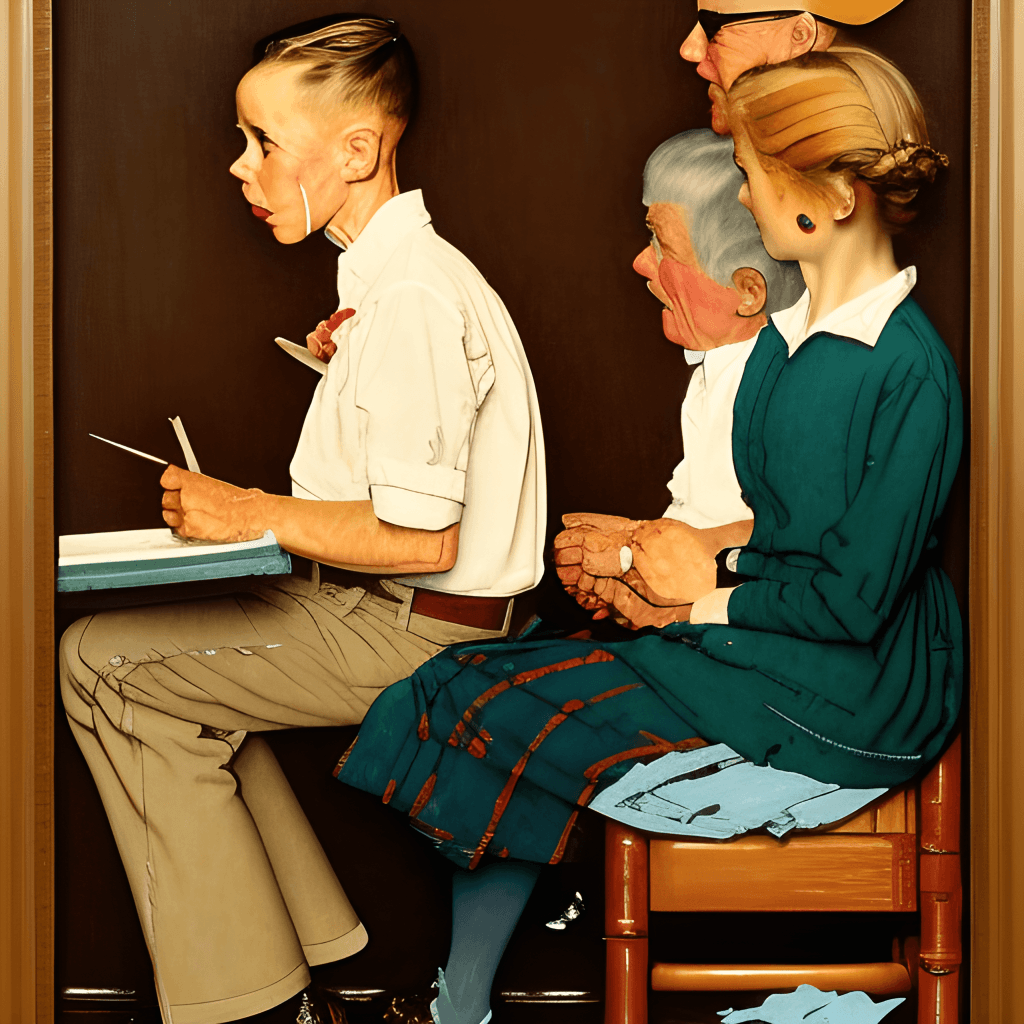 Photo: Norman Rockwell, via www.creativefabrica.com
The decline came from multiple directions at once. The rise of fast food in the late 1950s and '60s gave Americans cheap, convenient food options that didn't require sitting at a counter. Shopping patterns shifted toward strip malls and eventually big-box stores. The independent pharmacy itself came under pressure from chain drugstores — first regional chains, then national giants like Walgreens and Rite Aid — that competed on price and volume in ways a family-owned shop couldn't match.
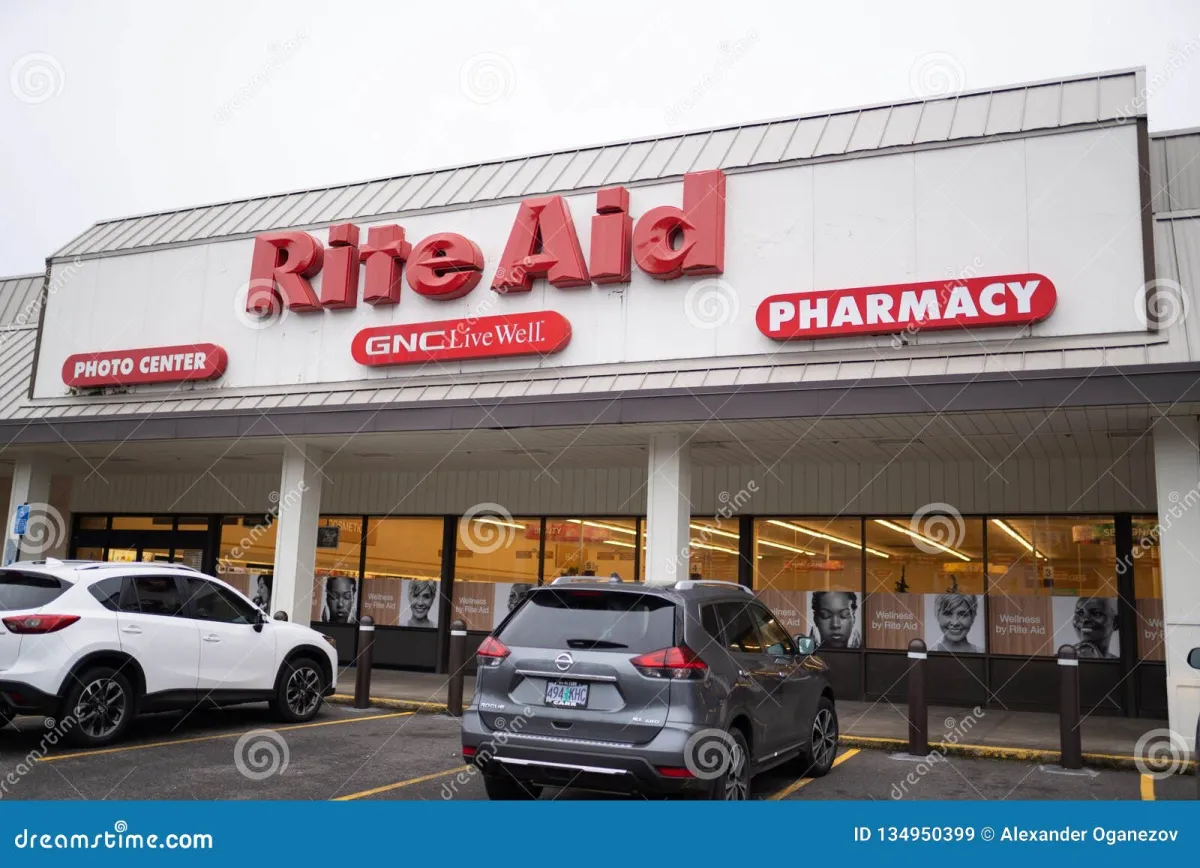 Photo: Rite Aid, via thumbs.dreamstime.com
Insurance and liability concerns accelerated the retreat. Running a food service operation alongside a pharmacy created regulatory complexity that made less and less sense as profit margins tightened. One by one, the fountains closed. The stools were removed. The counters were replaced with display shelves for greeting cards and seasonal candy.
By the 1980s, the soda fountain drugstore had become a relic, surviving only in a handful of nostalgic holdouts that tourists visited more than locals.
The Drive-Through as the Anti-Fountain
The modern pharmacy experience represents, in almost every respect, the opposite of what the soda fountain drugstore offered. The drive-through pharmacy window — now standard at most chain locations — is engineered to minimize human contact and maximize throughput. Transactions are measured in seconds. The pharmacist is a voice through a speaker and a hand through a slot.
This efficiency is real and genuinely valuable. Prescription fill times have dropped dramatically. Automated systems reduce dispensing errors. Digital records allow any pharmacist anywhere to access your medication history. These are not trivial improvements.
But something was traded away in the exchange. The pharmacist who once knew your mother now processes 300 prescriptions a day and cannot realistically know anyone. The incidental conversations that once caught early warning signs of drug interactions or mental health struggles don't happen in a drive-through lane. The community space that let neighbors collide in comfortable proximity has been replaced by a transaction optimized for speed.
Why It Still Matters
Health outcomes research has increasingly recognized what the old drugstore model understood intuitively: relationships improve healthcare. Patients who have ongoing relationships with their healthcare providers — including pharmacists — have better medication adherence, catch problems earlier, and report higher satisfaction with their care.
A few independent pharmacies across the country have tried to revive elements of the old model, adding consultation rooms, community programming, and even small café spaces. They tend to develop intensely loyal customer bases. People, it turns out, still want to be known.
The soda fountain is gone, and it's probably not coming back in its original form. But the hunger it satisfied — for commerce that felt human, for health care embedded in community life — that hasn't gone anywhere. We just stopped building spaces that fed it.