The Hospital Bill That Didn't Haunt You: How American Healthcare Went From Affordable to Terrifying
The Hospital Bill That Didn't Haunt You: How American Healthcare Went From Affordable to Terrifying
There's a particular kind of dread that didn't exist in your grandparents' world. It kicks in the moment you feel something wrong — a chest tightness, a bad fall, a fever that won't quit — and your first thought isn't I need a doctor. It's How much is this going to cost me?
That fear is new. And it tells you everything about how dramatically American healthcare has changed in just a few decades.
What a Hospital Stay Actually Cost in 1965
In the mid-1960s, the average cost of a single day in an American hospital was around $40. That's not adjusted for inflation in a way that makes it seem reasonable — that was genuinely, straightforwardly affordable for a working family. A three-day stay for appendicitis might run $150 to $200, roughly equivalent to a month's car payment or a couple weeks of groceries.
A broken bone? Set and casted for somewhere in the range of $50 to $75 at most hospitals. A routine delivery? Women gave birth in hospitals for under $100 in many parts of the country well into the late 1950s.
Medicine operated on something called fee-for-service — you came in, the doctor treated you, and you received a bill that listed what was done and what it cost. The numbers were legible. The relationship was direct. You might pay out of pocket, or you might have basic insurance through your employer that covered most of it. Either way, you weren't going to lose your house over a kidney stone.
The Machinery That Changed Everything
The transformation didn't happen overnight, but it accelerated dramatically from the 1980s onward. Several forces converged to turn a manageable system into the bewildering maze Americans navigate today.
The rise of employer-based insurance created a buffer between patients and the actual cost of care — which sounds like a good thing until you realize it also removed any incentive for hospitals to keep prices competitive or transparent. When a third party is always paying, the price can keep climbing without patients ever pushing back.
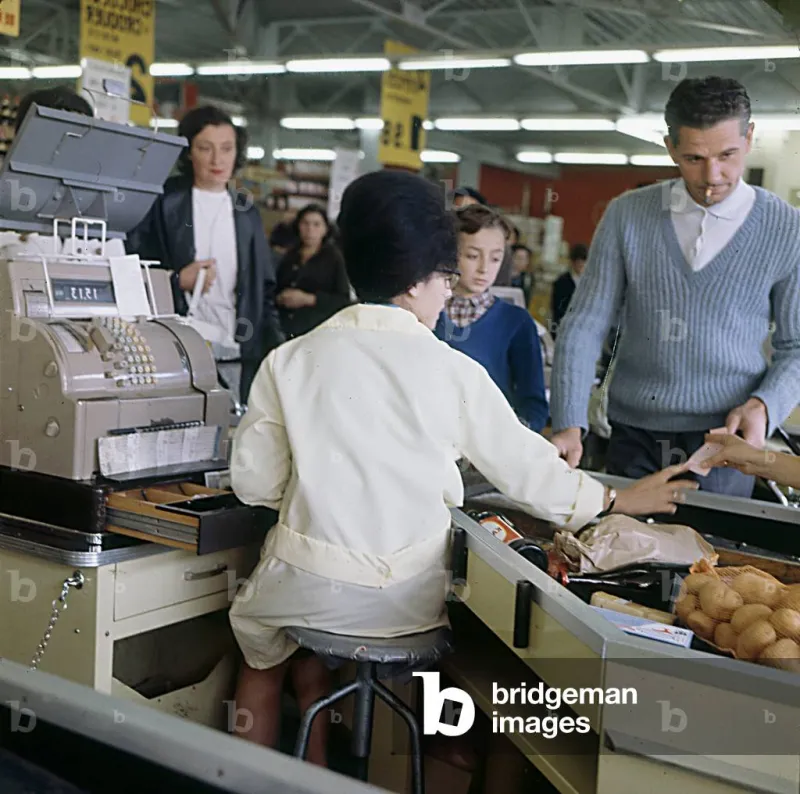
Then came the explosion of administrative overhead. By the 2010s, the United States was spending nearly a third of its total healthcare dollars on administration — billing departments, coding specialists, insurance liaisons, prior authorization staff. A hospital in 1965 might have had one billing clerk for every ten physicians. Today that ratio has essentially flipped.
 Photo: United States, via static.vecteezy.com
And then there's the coding system itself. Modern hospital billing runs through a labyrinth of procedure codes, diagnosis codes, facility fees, and physician fees — all billed separately, all subject to different insurance rules, and all capable of generating a surprise charge months after you thought the matter was settled.
The Surprise Bill That Broke the Contract
Nothing captures the modern healthcare experience quite like the surprise bill. You go to an in-network hospital, see what you believe is an in-network doctor, and three months later receive a separate invoice from an anesthesiologist, a radiologist, or a hospitalist you never met — someone who happened to work in that facility but wasn't covered by your plan.
Congress passed the No Surprises Act in 2022 to address some of this, but enforcement has been uneven and the underlying pricing chaos remains largely intact.
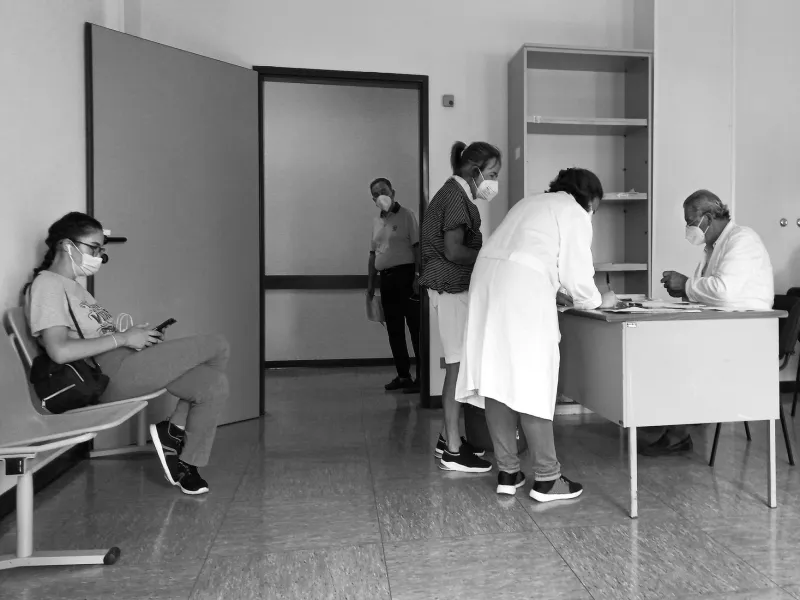
The numbers now are almost surreal by historical standards. The average emergency room visit in the United States costs over $2,000 before insurance — and for uninsured patients, a single night in a hospital can run $10,000 to $30,000 or more. A heart attack hospitalization averages around $20,000. Cancer treatment can run into the hundreds of thousands.
Out-of-pocket maximums under the Affordable Care Act cap individual exposure at roughly $9,000 per year — a figure that would have seemed like science fiction to someone paying $40 a night for a hospital bed in 1965.
The Human Cost Nobody Tallies
The statistics are staggering, but the real story lives in the decisions people are making every day. Americans are skipping prescriptions because they can't afford them. They're driving past urgent care clinics with chest pain because they're afraid of what the bill will say. They're delaying cancer screenings, ignoring dental problems until they become infections, and rationing insulin in ways that would have been unthinkable a generation ago.
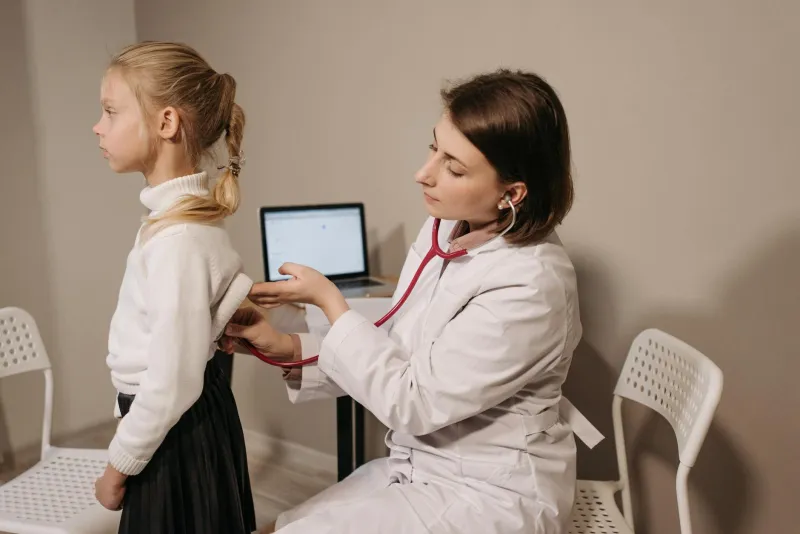
A 2023 survey from the Kaiser Family Foundation found that four in ten American adults had delayed or skipped medical care in the past year due to cost. That's not a fringe experience. That's a defining feature of middle-class life in 21st-century America.
 Photo: Kaiser Family Foundation, via c8.alamy.com
The cruelest irony is that avoiding care almost always makes things more expensive in the long run — both for the individual and for the system. A $200 preventive visit skipped becomes a $15,000 emergency room admission six months later.
What We Actually Lost
Beyond the dollars, something harder to quantify disappeared when medicine became a financial ordeal. People used to trust the system. Not blindly — there were plenty of valid criticisms of 20th-century American healthcare — but in a fundamental way, most people believed that if something went wrong, the medical establishment would help them and the bill would be survivable.
That trust is largely gone. In its place is a defensive posture: people Googling symptoms to avoid a visit, negotiating bills after the fact, crowdfunding cancer treatment on social media, and approaching every medical interaction with the wary calculation of someone who knows they might be financially ambushed.
Your grandparents didn't Google "how to fight a hospital bill." They didn't need to.
The medicine got better. The technology is genuinely miraculous compared to what existed in 1965. But somewhere along the way, the system stopped feeling like something built to help people and started feeling like something people needed protection from.
That's a profound shift. And most Americans, caught inside it, have forgotten that it didn't always work this way.