The Truck That Knew Your Name: What We Actually Lost When the Ice Cream Man Stopped Coming Around
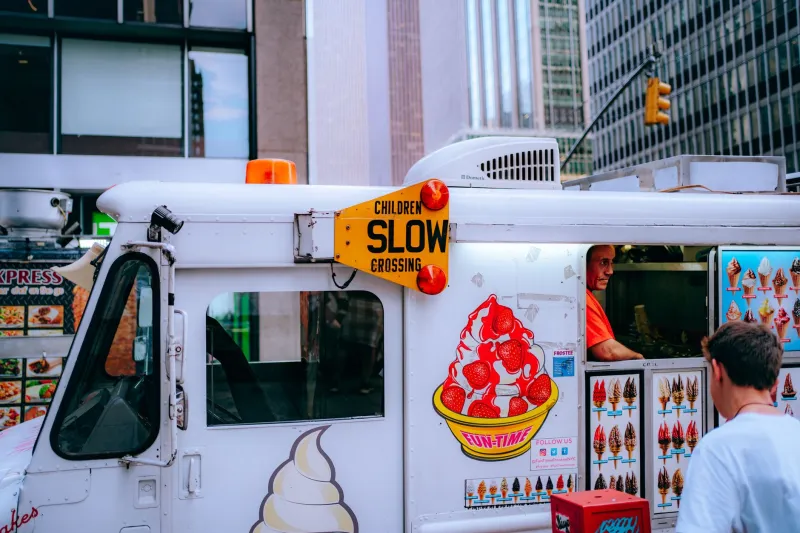
You heard it before you saw it. That tinny, slightly off-key melody drifting down the street on a July afternoon — "The Entertainer" or "Turkey in the Straw" — and suddenly every kid within earshot was sprinting toward the front door, screaming for quarters. The ice cream truck was coming. Everything else could wait.
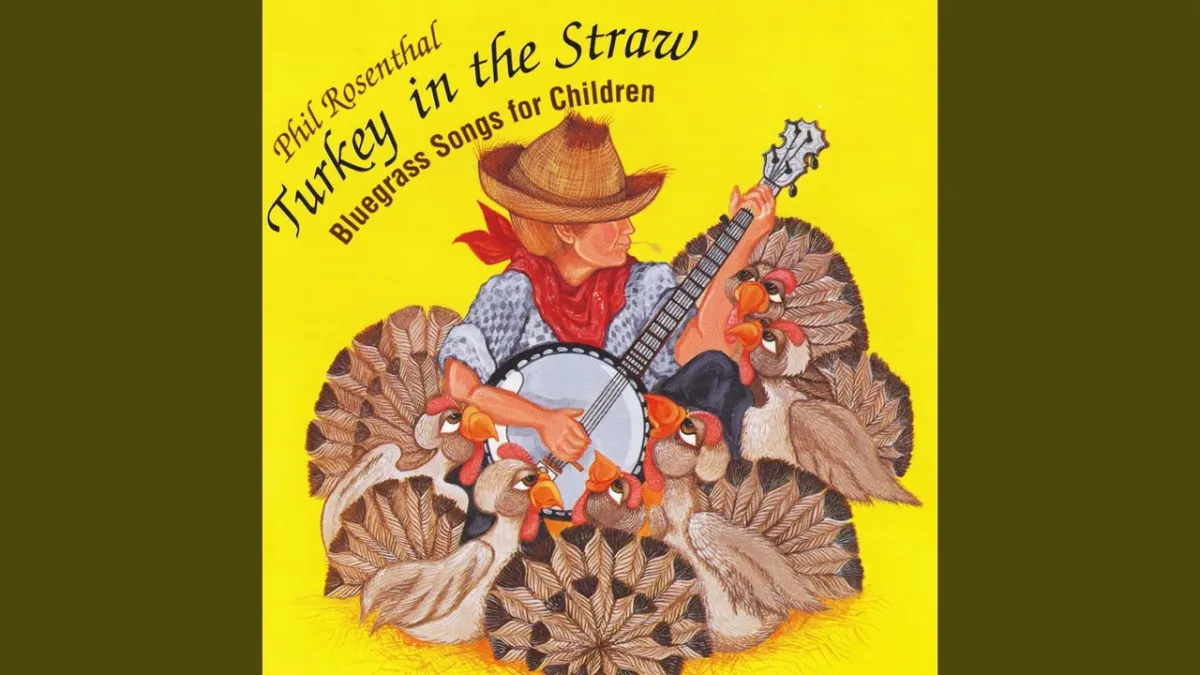 Photo: Turkey in the Straw, via i.ytimg.com
 Photo: The Entertainer, via www.retailgazette.co.uk
For millions of Americans who grew up between the 1950s and the 1990s, the neighborhood ice cream truck was one of summer's defining rituals. It was spontaneous, affordable, and deeply social. And it was run by a real person — often the same person, summer after summer — who became a familiar face in the neighborhood in the same way the mailman or the corner store owner did.
That world is largely gone now. And the way it disappeared tells us something important about how American neighborhoods have changed.
A Mobile Small Business With a Regular Route
The ice cream truck business was never glamorous. Drivers typically leased their vehicles and routes from a regional distributor, stocked their own freezers, and kept their own hours. Margins were tight. Success depended entirely on showing up consistently, building a loyal following, and knowing your territory.
That last part is what made it work as a community institution. The best ice cream truck operators weren't just vendors — they were neighborhood fixtures. They knew which blocks had the most kids, which families let their children run out on their own, and which regulars always ordered the same thing. A Creamsicle for the red-haired kid on Maple. A Drumstick for the twins on Oak Street. That accumulated knowledge was the business model.
And kids, being kids, trusted that. The ice cream man wasn't a stranger in any meaningful sense. He was as familiar as a school crossing guard. Parents didn't think twice about sending a seven-year-old to the curb with a dollar bill.
The Golden Age of Unscheduled Joy
What made the ice cream truck genuinely special — and what no app can replicate — was its randomness. You didn't schedule it. You didn't browse a menu the night before or pre-select your toppings. You heard the music, you ran outside, you looked at the illustrated menu board on the side of the truck, and you made a decision in about fifteen seconds with whatever change you had in your pocket.
That spontaneity was the point. It was a small, unplanned pleasure dropped into an ordinary Tuesday afternoon. Children learned to respond to it with pure, uncomplicated excitement — the kind that doesn't require a notification or a curated feed to trigger.
There was also the social dimension. The ice cream truck pulled kids out of their houses and into the street at the same time. You'd end up standing on the curb with the neighbor kids you hadn't seen since last week, everyone comparing choices, trading bites, arguing about whether the Bomb Pop or the Choco Taco was superior. It was low-stakes, spontaneous community — the kind that happens when people share physical space without planning to.
Where Did the Trucks Go?
The decline of the neighborhood ice cream truck isn't one simple story. It's several overlapping ones.
Urban sprawl made dense, walkable neighborhoods less common. Rising vehicle costs and fuel prices squeezed margins further. Insurance and licensing requirements grew more complex. And perhaps most significantly, the cultural architecture of American childhood shifted. Kids stopped running freely through neighborhoods. Streets that once filled with children after school became quieter, more supervised, more indoors-oriented.
At the same time, the grocery store freezer aisle expanded dramatically. By the 1990s, you could buy a box of Drumsticks or a package of Creamsicles for roughly the same price as two or three truck purchases. The economic case for the truck weakened alongside the social conditions that had made it thrive.
DoorDash Doesn't Ring a Bell
Today, if an American wants ice cream delivered to their door, they have options. Dozens of apps will send it. Some services will have it there in under an hour. The selection is broader, the experience is frictionless, and you never have to leave the couch.
What you don't get is the music drifting down the block. You don't get the sprint to the curb. You don't get the fifteen-second decision under pressure. You don't get the kid from two houses down materializing beside you because he heard the same thing you did.
The delivery driver who drops off your pint of Ben & Jerry's isn't doing anything wrong. But he's not a neighborhood institution. He's a stranger completing a transaction, and he'll be gone before you've opened the bag.
A Small Loss That Adds Up
No one is suggesting that the disappearance of ice cream trucks is a civilizational crisis. But it's one of dozens of small, informal community rituals that have quietly dissolved over the past few decades — and those losses accumulate.
The truck wasn't really about ice cream. It was about a shared moment, a familiar face, and the particular kind of joy that only arrives unannounced. We've optimized our way out of that experience in the name of convenience, and most of us didn't notice it was gone until we tried to explain it to someone who never had it.
Some things, it turns out, don't taste the same when you order them through an app.