Twelve Dollars and a House Call: The Appliance Repair World We Threw Away
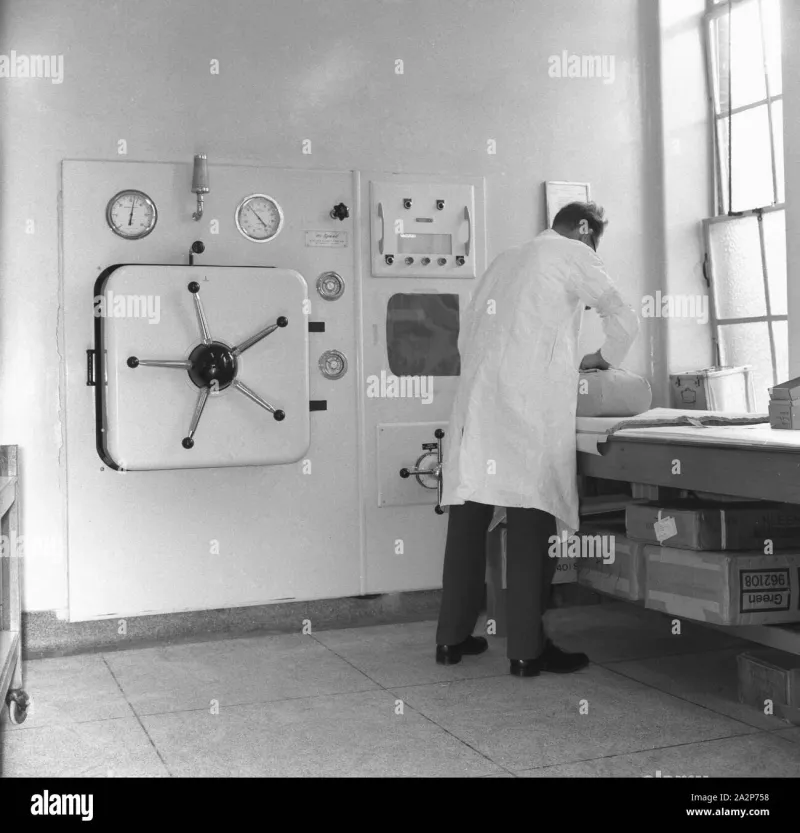
Photo: vintage appliance repair shop technician fixing washing machine 1960s, via c8.alamy.com
Somewhere in America right now, someone is standing in front of a washing machine that stopped spinning, staring at a repair estimate that costs more than the machine itself. The technician — if they could even find one — quoted $340 for labor and parts. The machine cost $420 three years ago. So they'll buy another one, haul the old one to the curb, and the cycle continues.
This wasn't always how the story went.
When Appliances Were Built to Be Fixed
For most of the twentieth century, household appliances were engineered with an implicit promise: when they broke, they could be repaired. Refrigerators from the 1950s and '60s were essentially mechanical systems — compressors, thermostats, door gaskets — with components that could be sourced, swapped, and serviced by someone who knew what they were doing. A washing machine from that era might have a wiring diagram taped inside the back panel, put there by the manufacturer as a matter of course. The assumption was that someone would eventually need it.
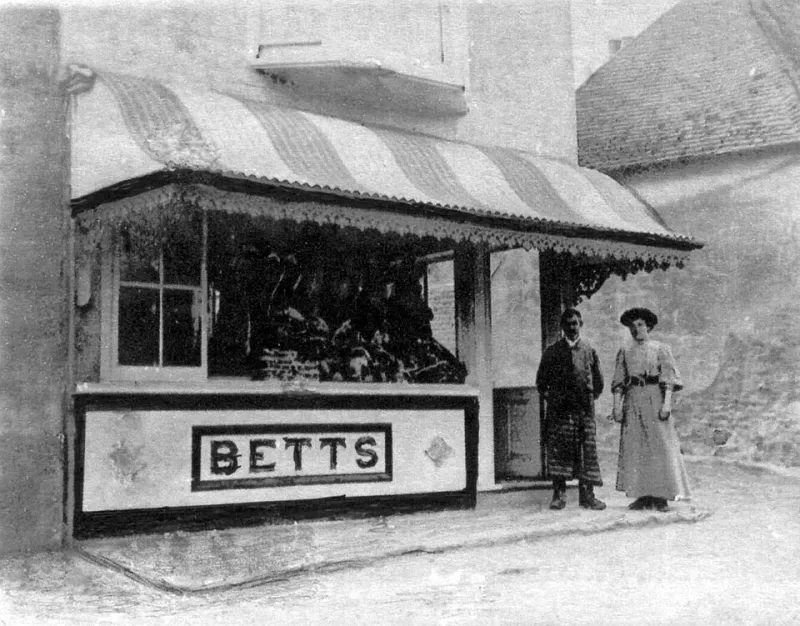
And someone usually did. In virtually every American town, there was a neighborhood appliance repairman. Sometimes it was a dedicated shop — a cluttered storefront with a hand-painted sign and a back room full of belts, heating elements, and motor brushes. Sometimes it was just a guy everyone knew, the one who'd show up with a toolbox, diagnose your dryer in twenty minutes, and leave you with a bill that felt almost embarrassingly small. Twelve dollars. Twenty-five. Occasionally fifty for something serious.
These weren't charity rates. The economics worked because parts were available, manufacturers supported their own products for decades, and the labor involved was genuinely skilled but not prohibitively complex. A good repairman could keep a Maytag washer running for thirty years. Many did.
The Ecosystem That Made It Possible
What made this repair culture function wasn't just skilled tradespeople — it was an entire supporting infrastructure that no longer exists in the same form. Parts distributors operated in most mid-sized cities, stocking components for brands going back fifteen or twenty years. Manufacturers published service manuals and made them available. Appliance dealers often had in-house service departments staffed by trained technicians.
There was also a culture of repair literacy among ordinary Americans. Men and women who'd grown up during the Depression or the postwar years understood that things got fixed, not discarded. Consumer Reports ran regular features on appliance longevity and repairability. Buying a refrigerator meant considering how long the brand's parts stayed in circulation.
 Photo: Consumer Reports, via di-sitebuilder-assets.s3.amazonaws.com
The result was a thriving skilled trade. Appliance repair technicians were respected professionals with real earning potential, often running small businesses that served the same neighborhoods for generations.
How Planned Obsolescence Changed Everything
The unraveling happened gradually, then all at once. Through the 1980s and into the '90s, manufacturers discovered something economically convenient: appliances built with cheaper components, shorter lifespans, and proprietary parts sold more units. If a washing machine lasted twelve years instead of twenty-five, that was another sale waiting to happen.
As products grew more complex — circuit boards replacing mechanical timers, digital controls replacing analog dials — repair became simultaneously more difficult and less economically rational. A replacement control board for a mid-range dishwasher can cost $200 or more, and that's before labor. When a brand-new unit sits on a big-box store floor for $349, the math stops making sense.
Manufacturers also began restricting access to parts and service manuals, a practice that has intensified dramatically in the era of smart appliances. Today, some refrigerators require proprietary diagnostic software just to read an error code. Independent repair technicians are effectively locked out, funneling customers toward expensive manufacturer service contracts or replacement purchases.
What This Is Costing American Households
The financial toll is significant and largely invisible because it's absorbed gradually. The average American household now replaces major appliances far more frequently than previous generations did. Studies have found that appliance lifespans have shortened considerably since the mid-twentieth century, with some modern units failing within five to eight years of purchase.
Consider the math. A refrigerator that would have run for thirty years with occasional maintenance might now need replacement every ten to twelve. Over a lifetime of homeownership, that's multiple additional purchases per appliance category — washers, dryers, dishwashers, ovens — each carrying a price tag that has grown faster than inflation. The repair economy that once kept those costs down has largely collapsed, gutted by the same forces that made repair uneconomical in the first place.
The skilled trade itself has been hollowed out. The number of independent appliance repair technicians has declined sharply over the past three decades. Vocational programs that once trained repairmen have been defunded or eliminated. The institutional knowledge accumulated over generations — how to diagnose a compressor, how to rewind a motor — is retiring along with the people who hold it.
The Right to Repair Movement Pushes Back
There's a growing countermovement, and it's gaining traction. The right-to-repair movement has pushed for legislation requiring manufacturers to make parts, tools, and service manuals available to independent technicians and consumers. Several states have passed or are considering such laws, and the Federal Trade Commission has signaled interest in the issue at the national level.
 Photo: Federal Trade Commission, via www.investopedia.com
Consumer interest in repair is also quietly resurging. YouTube channels dedicated to appliance repair have millions of subscribers. Repair cafés — community events where volunteers help people fix broken items — have spread to hundreds of American cities. There's a genuine appetite for the older way of doing things.
But appetite alone doesn't rebuild an ecosystem. The parts networks, the training pipelines, the culture of repairability — these take time and deliberate investment to restore.
What We Actually Lost
Beyond the dollars, there's something harder to quantify that disappeared when the neighborhood repairman did. It was a model of consumption rooted in stewardship rather than disposal — the idea that a thing worth buying was worth maintaining. It was a relationship with the objects in your home that went beyond transaction.
Earl, or whoever fixed your dryer in 1967, wasn't just providing a service. He was part of a chain that connected manufacturing, skilled labor, community commerce, and household economics into something coherent. We traded that coherence for convenience and low sticker prices, and we're still figuring out what the total cost actually was.